“N” is an original short psychological horror story about a childhood correspondence with a stalker who signs his letters with nothing but a single initial, and the decades-long dread of a woman who never fully escapes him. It’s a short story of correspondence horror and generational threat in the tradition of internet horror mysteries, where the fear isn’t a single confrontation but a slow, patient awareness that someone has been watching since before you knew what watching meant.
Story File
| 👁️ Title | N |
| 🪶 Author | Razvan Radu |
| 🪦 Genre | Psychological Horror / Creepypasta / Short Horror Story |
| 🏷️ Themes | Childhood Stalker, Obsession, Correspondence Horror, Family Endangerment, Generational Threat, Surveillance |
| ⏳ Read Time | 9 minutes |
| ☠️ Warnings | Child endangerment, disappearance, intense dread, themes of stalking, disturbing/unresolved ending |
| 📜 The Lore | A first-grade “wishing jar” project draws a reply from someone who only signs his letters with a single letter — and never stops writing. |
| 🎬 The Scoop | A woman who’s spent twenty-four years and four moves trying to outrun the mysterious correspondent who terrorized her childhood discovers he’s found her daughter’s bedroom anyway. |
I was seven the year our class did the wishing-jar project, which is a thing I’ve never heard another school do before or since, so I have to assume some teacher at Crestfield Elementary invented it herself and it simply never spread.
The idea was simple enough for first graders to manage: write a wish on a slip of paper, seal it in a small glass jar with your first name and the school’s address taped to the lid, and leave it out on your porch overnight for “the wishing wind” to carry away. I don’t know what we were told would actually happen to them. I don’t think any of us asked.
Mine went out on a Tuesday in October, sitting between two pumpkins on our front steps. By Thursday there was a reply waiting in our mailbox — not mailed, exactly, since there was no stamp and no postmark, just an envelope someone had walked up and placed there directly, addressed to me in handwriting so small and careful it looked typed until you got close.
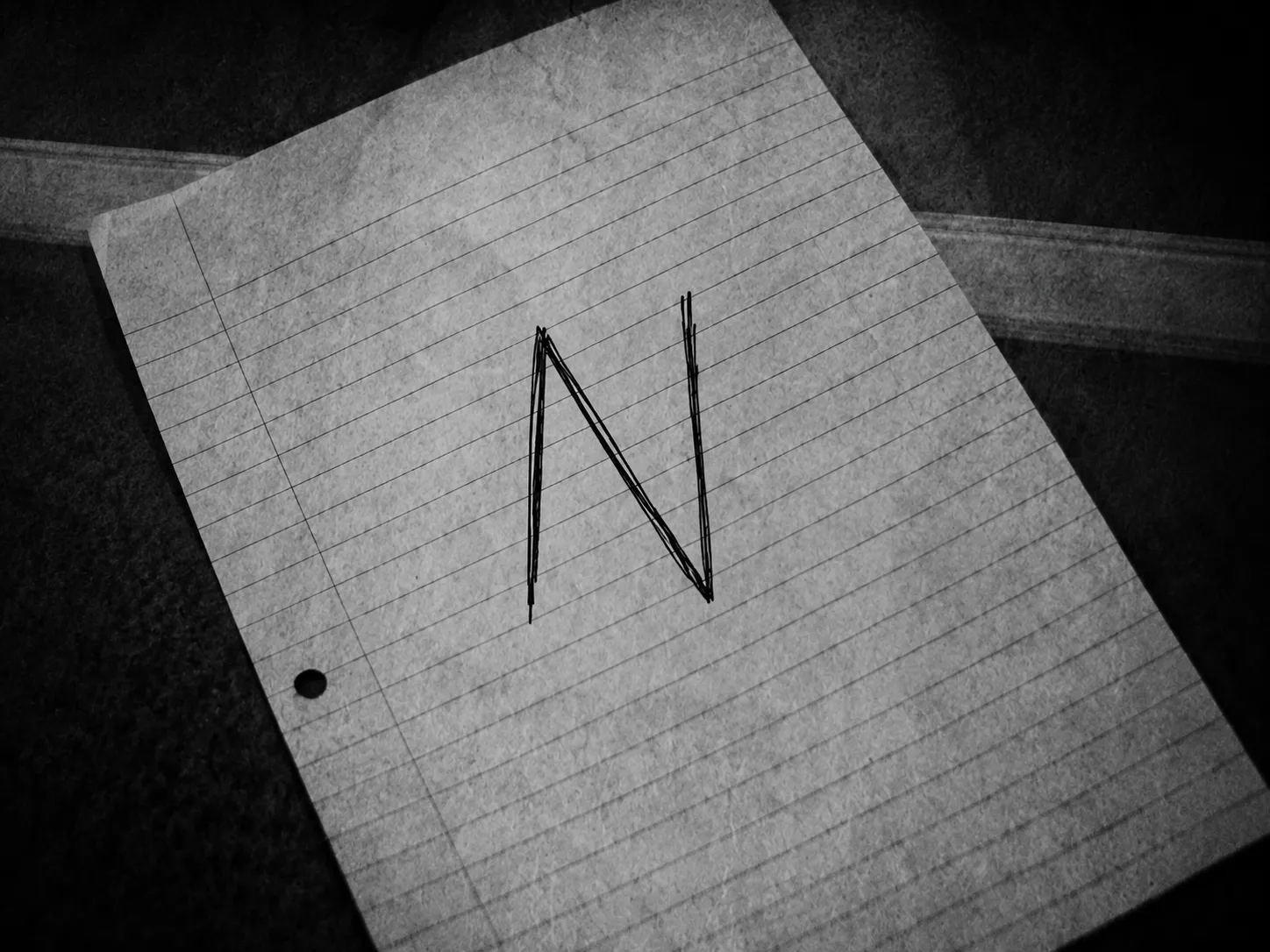
Dear Mara, it said. I found your jar. I liked your wish. — N
My wish, which I’d written without telling anyone, not even my best friend Toby, had been for a dog. I hadn’t put that in the jar’s tag, hadn’t told a single living person. The letter from N didn’t mention dogs at all, but something about the phrase “I liked your wish” sat wrong in my stomach in a way I didn’t have words for yet, the particular wrongness of being seen somewhere you’d assumed you were alone.
I showed Toby the letter in the treehouse his dad had built in the oak between our two yards, and Toby, who was eight and immune to most things that scared me, thought it was the best thing that had ever happened to either of us. “It’s like a secret friend,” he said, turning the envelope over in his hands. “Write back. Ask if N is a boy or a girl.”
I wrote back. N’s reply came two days later, with the same careful handwriting, the same no-stamp envelope simply appearing in our mailbox sometime between dinner and bedtime, when nobody had seen anyone walk up our driveway at all.
I’m N, it said. Just N. I don’t go by more than that. I liked your dog wish, even though you didn’t write it down. Some wishes you can just tell.
I didn’t show that one to Toby. I put it in the shoebox under my bed where I kept things I didn’t have words for yet, and I told myself, the way seven-year-olds tell themselves things, that I’d misremembered not writing the dog wish down, that I must have mentioned it to someone, my mom maybe, and N had heard it secondhand. It was easier than the alternative.
The letters kept coming through that whole winter, always specific in ways that built up slowly enough that no single one felt like proof of anything, which I now understand was probably the entire design. N knew which tree the treehouse was in before I’d mentioned Toby at all. N knew our dog — the real one, the one my parents got me for Christmas that year, a beagle mix named Scout — by name within a week of us bringing her home, in a letter that arrived the same evening we picked her up from the shelter.
Scout’s a good name, it read. She likes the spot under your porch steps best. Tell her I said hello.
Scout went missing in March. My mom searched the whole neighborhood, knocked on every door on our street, and put up flyers with Scout’s photo stapled to telephone poles all the way to the elementary school. I remember standing in the kitchen doorway listening to her cry on the phone to my dad’s work line, asking him to come home early. I remember going up to my room afterward and finding a new letter already waiting on my pillow — not in the mailbox this time. On my pillow, inside a house with the doors locked, in a room on the second floor.
She’s safe with me now, it read. She likes it here. You don’t need to look for her. Some things are better off found by the right person.
“You have to tell your mom,” Toby said when I finally showed him, my hands shaking too badly to hold the letter steady. We were in the treehouse, the March wind cutting through the gaps in the boards, and Toby’s face had finally lost the easy, unbothered curiosity it had carried all winter. “Mara, this isn’t a secret friend thing anymore. This is — somebody’s actually in your house.”
“She’ll think I’m making it up,” I said. “Or that I lost the dog myself and I’m scared to admit it.”
“Then we find him first,” Toby said, with the specific stubbornness of an eight-year-old who has just decided, privately and completely, to become someone’s hero. “We figure out who N actually is.”
We tried, the way kids try things — staking out the mailbox after school, mapping every place N had ever mentioned onto a torn page of notebook paper, the porch steps, the oak tree, the gap in the back fence where Scout used to squeeze through to chase squirrels.
None of it told us anything except that N seemed to know our whole shared world better than we did ourselves, every hiding spot, every habit, every small private thing that should have belonged only to two children and nobody else at all.
It was Toby who saw him first, in April, just after dusk, crouched at the gap in our back fence with something small and dark tucked under one arm. Toby didn’t call out. He told me afterward that something about the stillness of the figure made calling out feel like the single worst idea available to him in that moment.
So he simply watched, frozen at his bedroom window, as the figure noticed him anyway — turned, slow and unhurried, and looked directly up at Toby’s window with a face that Toby, even years later, struggled to describe as anything other than “wrong in a way that wasn’t about how it looked. Just wrong about how long it stayed looking.”
The figure raised one hand, not in a wave exactly, more like an acknowledgment, the way you’d nod at someone you already knew was watching, and then crouched back down at the fence and was simply gone by the time Toby found the nerve to blink.
The letters changed after that. They got shorter, and stranger, and started arriving inside the house more often than not — folded into my schoolbag, tucked under my dinner plate, once, terrifyingly, slid between the pages of the book I’d left open on my nightstand the night before.
Toby saw me, one read. That wasn’t very smart of him.
I didn’t show that one to Toby either. I told myself, with the specific cowardice children develop when the alternative is too large to hold, that not showing it to him was a way of protecting him, when really, I understand now, it was only ever a way of protecting myself from having to watch his face change again the way it had changed at the fence.
Toby went missing nine days later. Not dramatically — there was no scream, no struggle anyone heard, just an empty bed on a Saturday morning and a search that covered the same streets my mom had walked looking for Scout, the same telephone poles, the same flyers, except this time with a boy’s photograph instead of a dog’s.
The whole neighborhood turned out. Police came from two counties over. Nobody found anything, not a shoe, not a hair, not one single thread of evidence that a real, physical person had walked up to a real, physical house and taken a real child out of it.
The letter came that same night, on my pillow again, the doors locked, my parents awake downstairs talking to a detective in low, frightened voices I could hear straight through the floorboards.
He shouldn’t have looked at me like that, it read. I told you some wishes you can just tell. I could tell you wished he’d stop being so brave about all this. I granted it.
I screamed loud enough that my mother broke the bedroom door’s lock getting to me. The room, when she arrived, was empty of anything except me and the letter, the window shut and latched from the inside, no possible way in or out that either of us could explain to the detective who searched my room for forty-five minutes and found nothing at all, not even, he noted with visible unease, a single fingerprint on the letter besides my own.
I am thirty-one years old now, and I have moved four times since I was seven, each time telling myself it was for a job, a relationship, a fresh start, never once admitting out loud, even to myself, that every move was really just an attempt to put enough distance between myself and a fence gap in a yard I haven’t lived next to in twenty-four years.
The letters stopped the year I turned eighteen and left for college, and I told myself, the way I’d told myself so many things as a child, that this meant it was over, that whatever N had been, he’d lost interest, moved on, found some other small wishing jar on some other porch to answer.
I was wrong about that the way I’d been wrong about almost everything else.
The letter arrived three weeks ago, in my current mailbox, no stamp, no postmark, the same small careful handwriting I would know now in absolute darkness, after a single envelope had appeared on my actual doorstep despite my actual address never once, in twenty-four years of careful adult caution, being written down anywhere a stranger could plausibly trace.
Dear Mara, it read. I heard you have a daughter now. I liked her wish. Some wishes you can just tell.
I called my husband at work, my voice climbing toward a register I hadn’t used since I was seven years old, standing in our old kitchen doorway listening to my mother cry about a missing dog. I told him we needed to leave, tonight, immediately, that I’d explain everything in the car, and he said the words every parent says in that exact tone of confused, gentle concern that I remembered, with a sick lurch, my own mother once using on me.
“Leave for where, Mara? What’s actually going on? You’re scaring me.”
I didn’t have an answer that wouldn’t sound, out loud, like the ravings of a woman who’d never fully recovered from a childhood trauma nobody else in her adult life had ever been allowed to witness firsthand. I told him I’d explain in the car.
I went upstairs to get our four-year-old daughter asleep in her bed, the nightlight glowing softly against the wall. I found, sitting on her pillow, inches from her sleeping face, a small glass jar with a slip of paper rolled up inside it — the exact jar, down to the smudged fingerprint on the glass that I would have sworn, if you’d asked me an hour earlier, no longer existed anywhere in this world, that I had personally watched my mother throw away in a trash can outside our old house twenty-four years ago, the same week the letters from N finally stopped.
I picked it up with hands that didn’t feel entirely like mine anymore, and unrolled the slip of paper inside, and found, in handwriting too small and careful to belong to any four-year-old, a single sentence that I have not been able to stop reading, over and over, every night since, in the new house we moved to that same evening, in the new house I am already certain, with a certainty that has nothing left in it resembling hope, will not be far enough.
Tell her I said hello. I already know what she’s going to wish for.