Famous mediums have fascinated the public for over 170 years, claiming to connect the living and the dead through séances, trance states, automatic writing, and televised readings — and along the way, they’ve divided scientists, entertained millions, and occasionally ended up in criminal court.
Some produced phenomena that baffled physicists and magicians alike and were never conclusively explained; others were caught red-handed with cheesecloth “ectoplasm” or research files on their clients.
Our list below looks at fourteen of history’s most talked-about mediums, from Victorian-era levitators to modern television psychics, examining what made each one famous — and what made each one controversial.
Summary
1. Daniel Dunglas Home
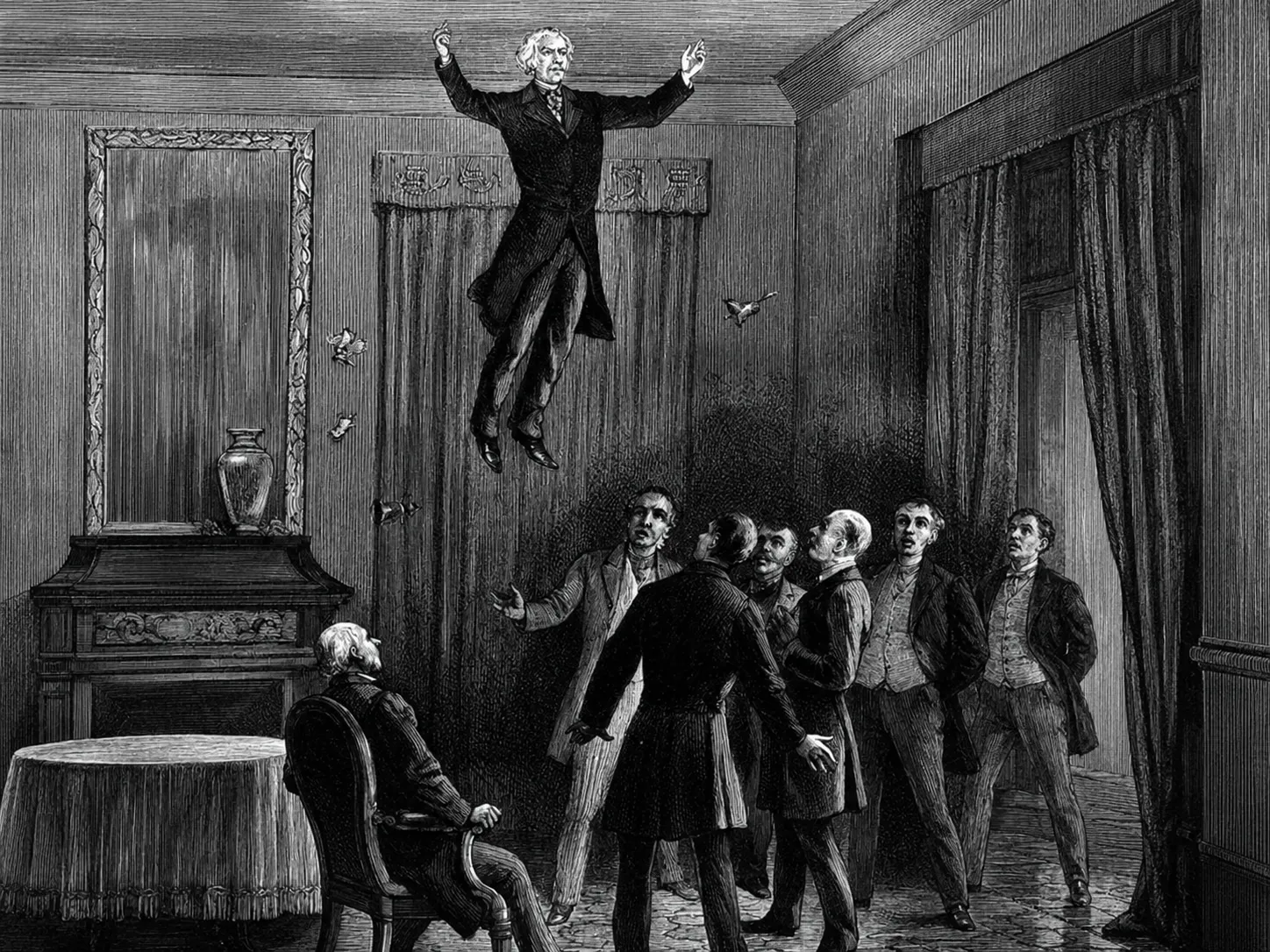
Daniel Dunglas Home (1833–1886) is widely regarded as the most celebrated physical medium of the 19th century. Born near Edinburgh and raised partly in the United States, Home became an international sensation in the 1850s and 1860s, conducting hundreds of séances for European royalty, scientists, and literary figures.
Unlike most mediums of his era, Home performed his effects in well-lit rooms rather than darkness, and he reportedly never charged money for his sittings, living instead as a guest of wealthy patrons. Witnesses described tables rising off the floor, accordions playing untouched inside a wire cage, and Home handling red-hot coals without injury.
His most famous claimed feat came in 1868, when he allegedly levitated out of a third-floor window at Ashley House in London and back in through the window of an adjoining room, witnessed by Lord Adare, Lord Lindsay, and Captain Charles Wynne — though the three men later gave inconsistent accounts of exactly what they saw.
The chemist Sir William Crookes conducted extended tests on Home, including devices designed to measure a mysterious “psychic force,” and came away convinced something genuine was occurring.
What makes Home unusual is that, despite intense scrutiny from skeptics including the poet Robert Browning, no one ever caught him using a conjuring trick in public during his active career — a claim later disputed by researchers like Gordon Stein, who argued Home was privately caught employing tricks on several occasions, even if never publicly exposed.
Even Harry Houdini, who devoted much of his later life to debunking mediums, claimed he could replicate Home’s levitation but never actually did so.
2. Eusapia Palladino
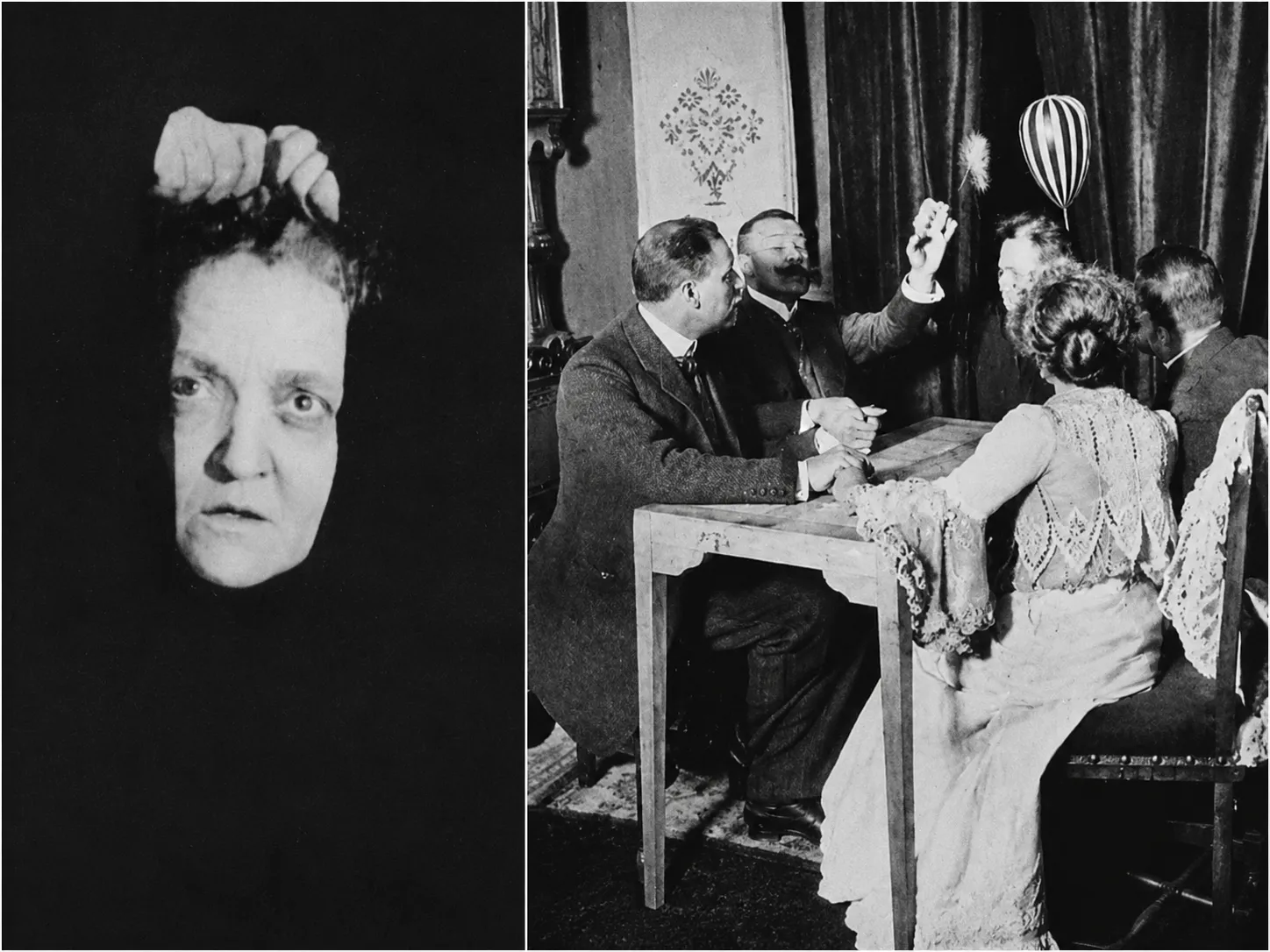
Eusapia Palladino (1854–1918) was an Italian peasant-born physical medium who became, in the words of researcher Charles Richet, the most intensively studied medium in the history of psychical research.
Beginning her career in Naples in the 1870s, Palladino specialized in table levitations, raps, cold breezes, and the touch of unseen hands, all performed under the guidance of her claimed spirit control, a deceased pirate named John King.
Over roughly three decades, she was tested across Europe by figures including astronomer Camille Flammarion and future Nobel laureates Marie and Pierre Curie, and her mediumship reportedly convinced hardened skeptics at sittings in Naples, Genoa, and Paris. But Palladino’s case is unusual because it combines genuine scientific intrigue with repeated, well-documented fraud.
Investigators, including Richard Hodgson, caught her substituting one free hand or foot for the ones being “controlled” by the sitters. In 1910 she admitted to an American reporter that she sometimes cheated, claiming her sitters had unconsciously “willed” her to do it.
Researcher Hereward Carrington and others still argued that some of her phenomena defied explanation by trickery, particularly instances in which objects moved. At the same time, she was under multiple points of physical restraint.
Her career illustrates a pattern common to physical mediumship: investigators who wanted to believe kept finding reasons to excuse the fraud they had just witnessed, prolonging her fame for over twenty years.
3. Leonora Piper
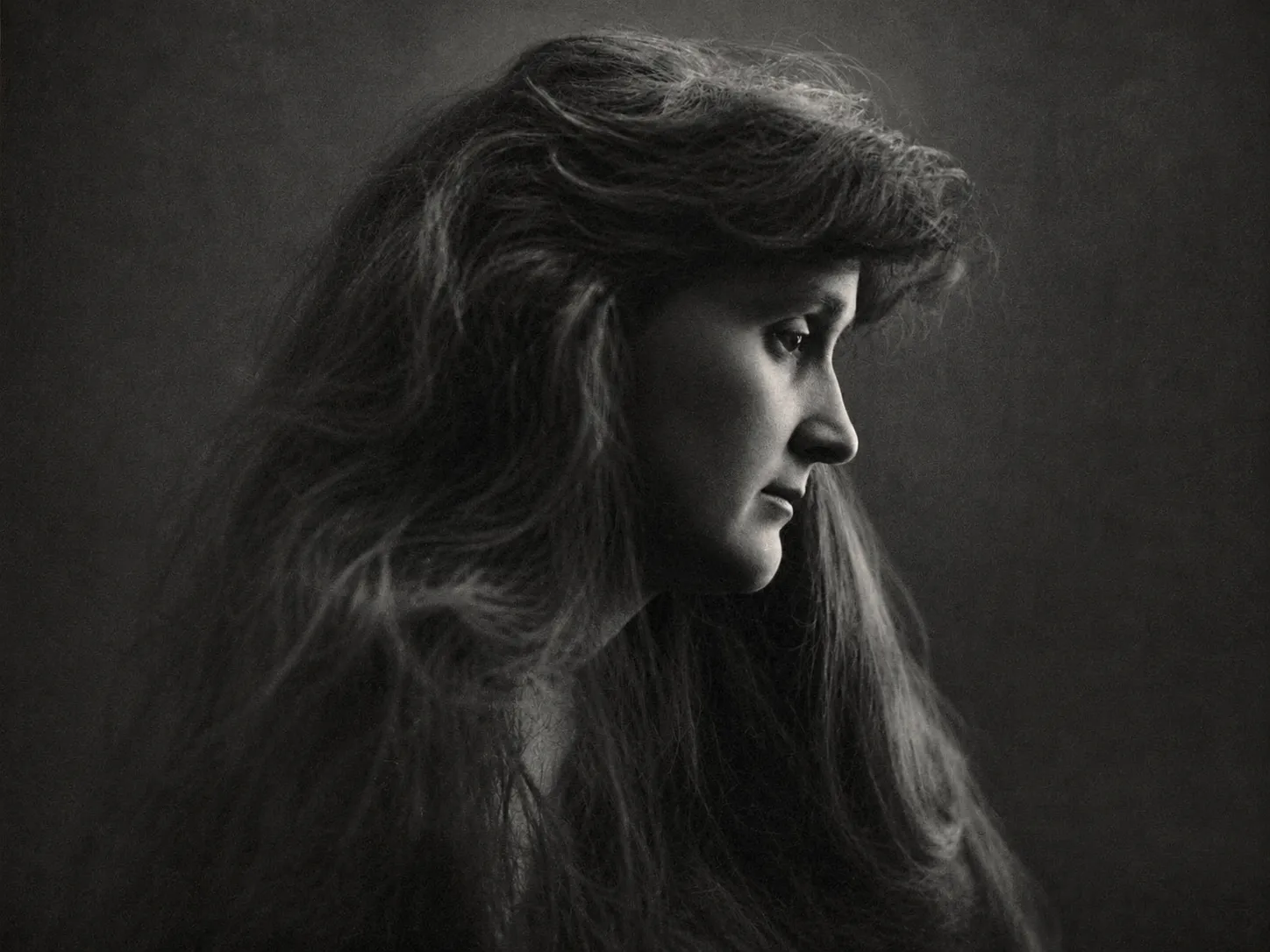
Leonora Piper (1857–1950) was an American trance medium from Boston whose case became so influential in psychical research that philosopher and psychologist William James of Harvard called her his “one white crow” — proof, he argued, that not every claimed medium could be dismissed as fraudulent.
James began sitting with Piper in 1885, following the death of his infant son. He was impressed enough to introduce her to the American Society for Psychical Research, which studied her continuously for over two decades under researchers including Richard Hodgson and James Hyslop.
Unlike physical mediums such as Home or Palladino, Piper never produced levitations or ectoplasm; instead, she delivered detailed, verifiable information about sitters’ deceased relatives while in a trance state, often through claimed spirit controls such as “Dr. Phinuit.”
Investigators went to unusual lengths to rule out fraud, including having Piper trailed by private detectives, searching her before sittings, and using pseudonymous sitters whose identities she could not have looked up in advance.
Hodgson and Hyslop concluded that a large portion of her statements could not be explained by cold reading or prior knowledge. However, James himself remained cautious, favoring telepathy from the sitters’ minds over literal communication with the dead as the more likely explanation.
Piper’s case remains one of the rare instances in the history of mediumship in which extensive, methodical scientific investigation did not yield a clear-cut fraud narrative.
You may also enjoy:
Who Is Lucifer? Names, Myths, Titles, and Powers
August 25, 2025
Jorogumo: The Deadly Spider Woman of Japanese Folklore
September 10, 2025
Fafnir the Lindworm: Poison-Breathing Dragon of Norse Sagas
September 12, 2025
What Is the Black Shuck? History, Legends, and Belief
February 9, 2026
Swiatek: Murder, Cannibalism, and a Wolf’s Curse
June 18, 2025
4. Florence Cook
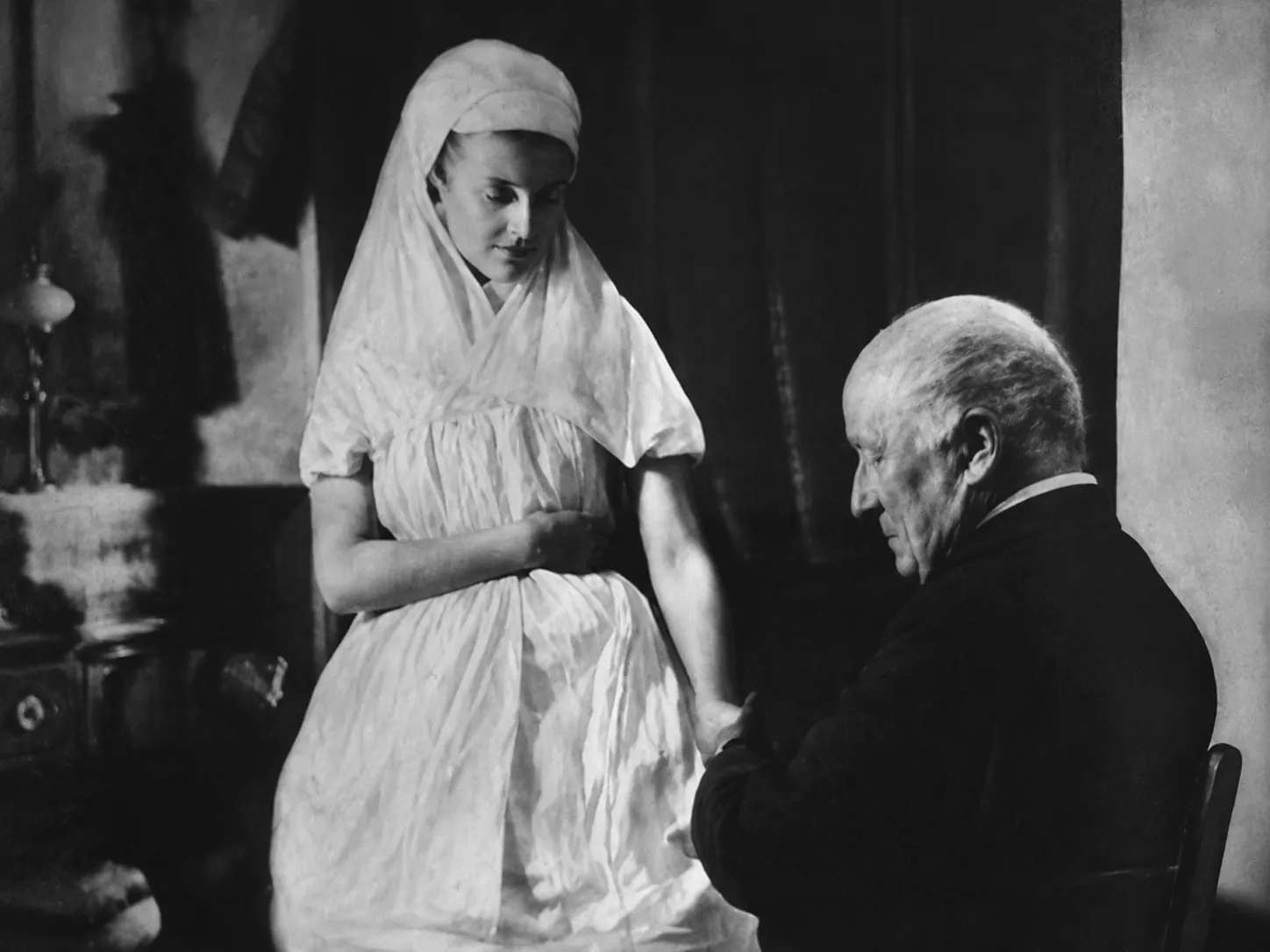
Florence Cook (c. 1856–1904) was a London-based materialization medium who claimed to conjure the full-bodied spirit of a young woman named “Katie King,” who would walk among séance sitters, speak, and even be photographed.
Cook was still a teenager when the chemist Sir William Crookes — already famous for his rigorous investigation of Daniel Dunglas Home — began testing her in his own home under his own conditions. In 1874 he published a report affirming that Katie King was a genuine materialized spirit distinct from Cook herself.
The report caused an uproar in scientific circles. Cook’s mediumship became a public scandal in December 1873, when a séance guest named William Volckman grabbed the materialized “Katie King” by the wrist and accused Cook of impersonating the spirit herself, sparking a fistfight and lasting controversy.
Suspicion has lingered for 150 years over Crookes’s role in the case. Some historians, including Trevor H. Hall in his book “The Spiritualists,” have argued Crookes may have been having an affair with the teenage Cook and used the investigation as cover. In contrast, others suggest he was simply infatuated and lost his scientific objectivity.
Cook was repeatedly accused of using an accomplice, most plausibly her sister or fellow medium Mary Showers, to double for the spirit while she hid in the séance cabinet. She continued producing other materialized spirits, including “Marie” and “Leila,” for the rest of her career.
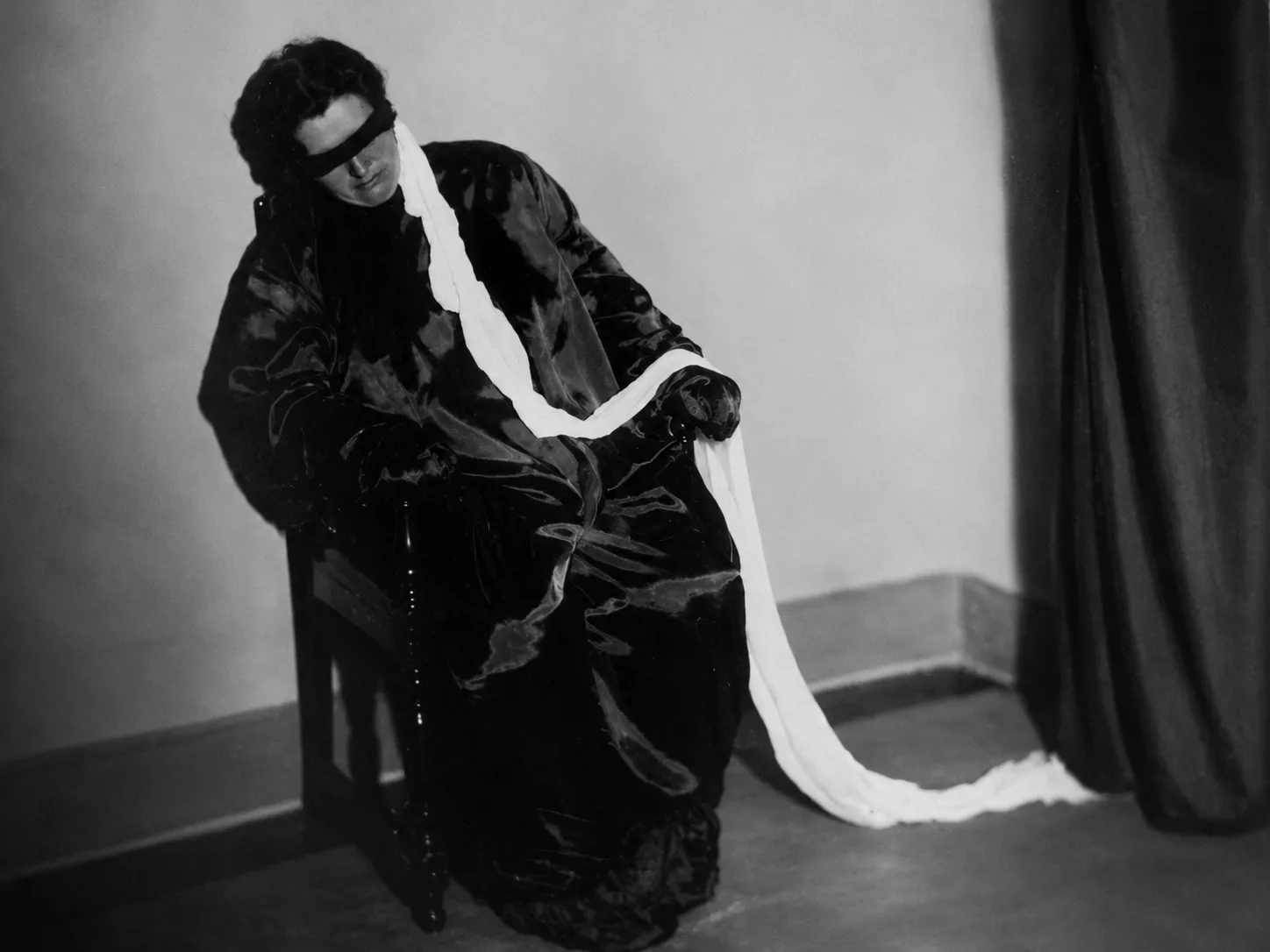
5. Helen Duncan
Helen Duncan (1897–1956) was a Scottish materialization medium best known today as the last person imprisoned in Britain under the Witchcraft Act of 1735.
Duncan’s signature phenomenon was the production of “ectoplasm” — a cloud-like substance she appeared to emit from her mouth during séances — which was later confirmed by researcher Malcolm Gaskill, examining a preserved sample at Cambridge University Library, to be made of artificial silk.
She was fined for fraudulent mediumship as early as 1933 after a séance sitter grabbed her “ectoplasm” and found it was ordinary fabric. Duncan’s real notoriety began during World War II: in November 1941, at a séance in Portsmouth, she announced that a sailor’s spirit had told her the battleship HMS Barham had been sunk, information that had not yet been made public by the Admiralty, which had asked the roughly 9,000 relatives of the 861 dead sailors to keep the sinking secret for morale reasons.
How she knew is still debated — the most plausible explanation is that wartime gossip spread among grieving families faster than the government intended. However, some researchers still call the timing genuinely puzzling.
In January 1944, with the D-Day invasion approaching, naval officers raided one of her séances. They had her arrested, and prosecutors deliberately chose to charge her under the archaic Witchcraft Act rather than the usual Vagrancy Act to guarantee a jury trial and a longer sentence.
Duncan was convicted and served nine months in Holloway Prison; Winston Churchill privately called the case “obsolete tomfoolery.” The publicity from her trial contributed directly to Parliament’s repeal of the Witchcraft Act in 1951.
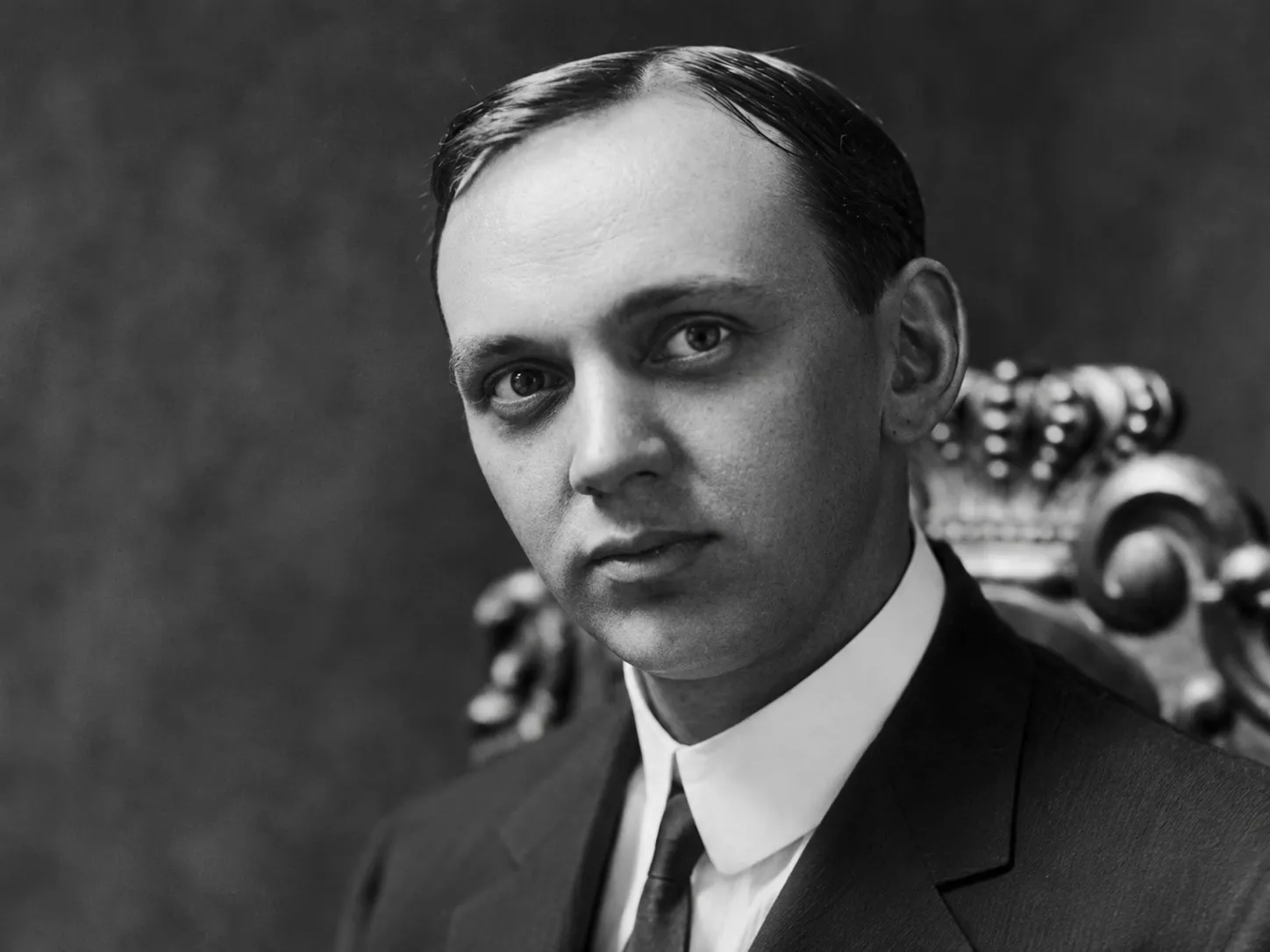
6. Edgar Cayce
Edgar Cayce (1877–1945), known as the “Sleeping Prophet,” was an American clairvoyant who is often called the most documented psychic of the 20th century, thanks to more than 14,000 transcribed “readings” preserved at the Association for Research and Enlightenment (A.R.E.), the nonprofit he founded in Virginia Beach in 1931.
Cayce, a devout Sunday school teacher with only a ninth-grade education, discovered as a young man that he could put himself into a sleep-like trance and answer questions on subjects ranging from a client’s specific illness to the lost continent of Atlantis, reincarnation, and world events, all while reportedly retaining no memory of what he had said after waking.
His readings covered roughly 10,000 different topics and became the basis of the modern holistic health movement. However, many of his medical remedies — including strict food-combining rules and iodine tonics — are now regarded by health experts as pseudoscience.
Cayce is unusual among mediums in that he denied being a spiritualist or communicating with the dead at all; he described himself instead as a Christian “psychic diagnostician” tapping into a universal consciousness.
His hospital, opened in 1928, struggled to attract conventional doctors willing to work alongside his trance readings and closed within a few years. However, the A.R.E. he founded still operates today, continuing to study and publish his archive of readings.
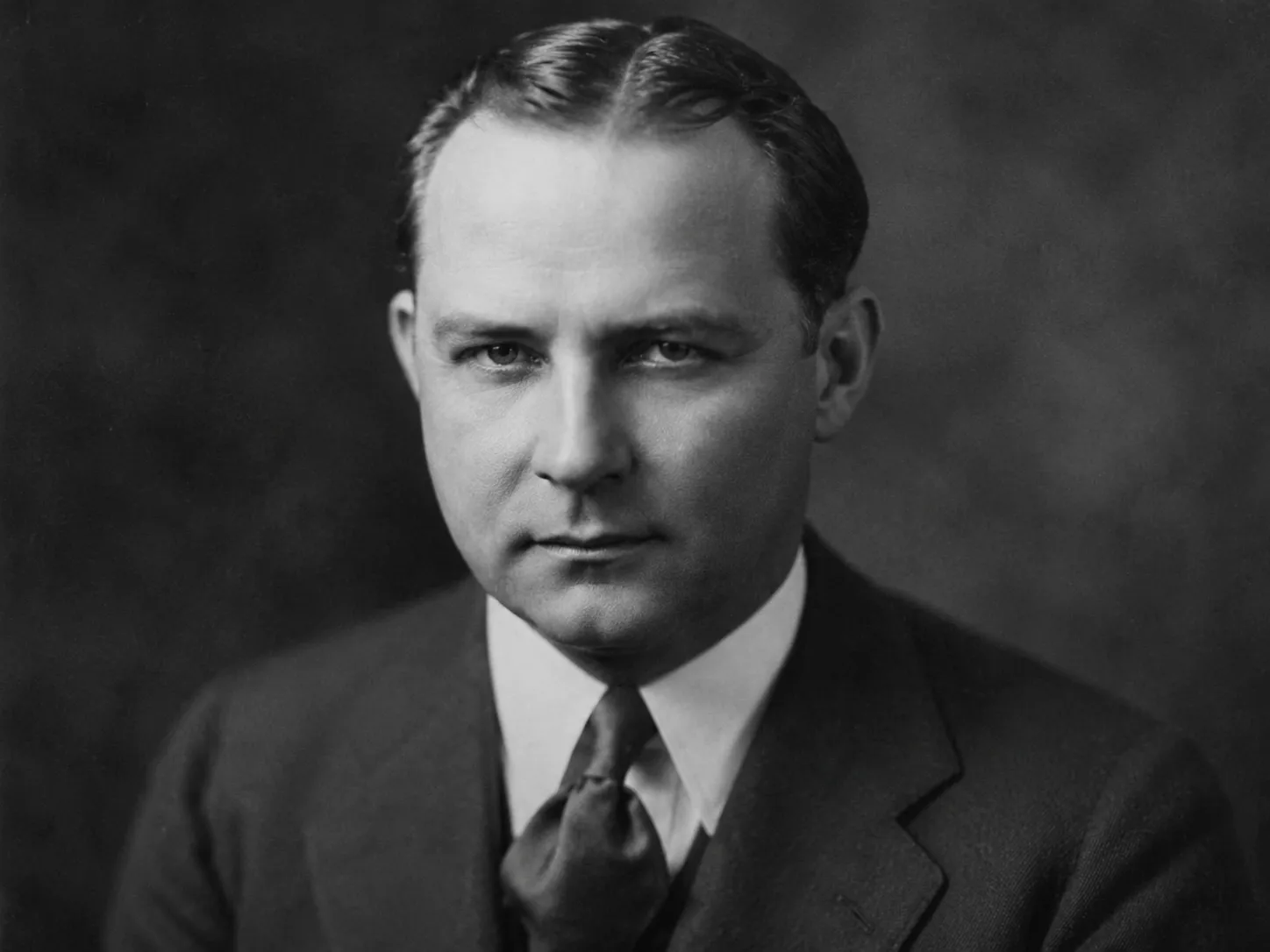
7. Arthur Ford
Arthur Ford (1896–1971) was an American medium who became, for a time, the most famous spiritualist in the country by claiming to break a secret code left behind by the escape artist Harry Houdini. Houdini, who spent his later career exposing fraudulent mediums, had arranged a coded message with his wife Bess before he died in 1926 so that any genuine spirit communication could be verified.
In January 1929, Ford’s spirit control “Fletcher” delivered the message “Rosabelle, answer, tell, pray, answer, look, tell, answer, answer, tell,” which decoded to the word “believe” using a private vaudeville mentalism code the couple had used in an old act. Bess Houdini initially verified the message as authentic, and Ford’s reputation soared.
It later appeared, however, that the code had already been published a year earlier in a 1928 Houdini biography, and Bess herself had inadvertently described the message’s meaning to reporters beforehand.
Ford scored another spectacular success in 1967, appearing on live television to deliver messages from the deceased son of Episcopal Bishop James Pike. The broadcast generated over 12,000 letters of public response and led Pike to publicly affirm his belief in the afterlife.
After Ford died in 1971, his biographer Allen Spraggett and colleague William Rauscher discovered his private files — newspaper obituaries and clippings disguised as bound poetry books — which they concluded Ford had used to research his clients, including the Pike family, in advance. Spraggett, in the end, admitted the evidence was “disquietingly strong” that Ford had cheated.
You may also enjoy:
Amdusias: The Duke of Discord and Musician of Hell
April 24, 2025
Dingonek: The Mysetrious Predator That Terrified East Africa
November 10, 2025
What Is the Mazomba—Africa’s Lost Dinosaur or an Unknown Rhino?
November 11, 2025
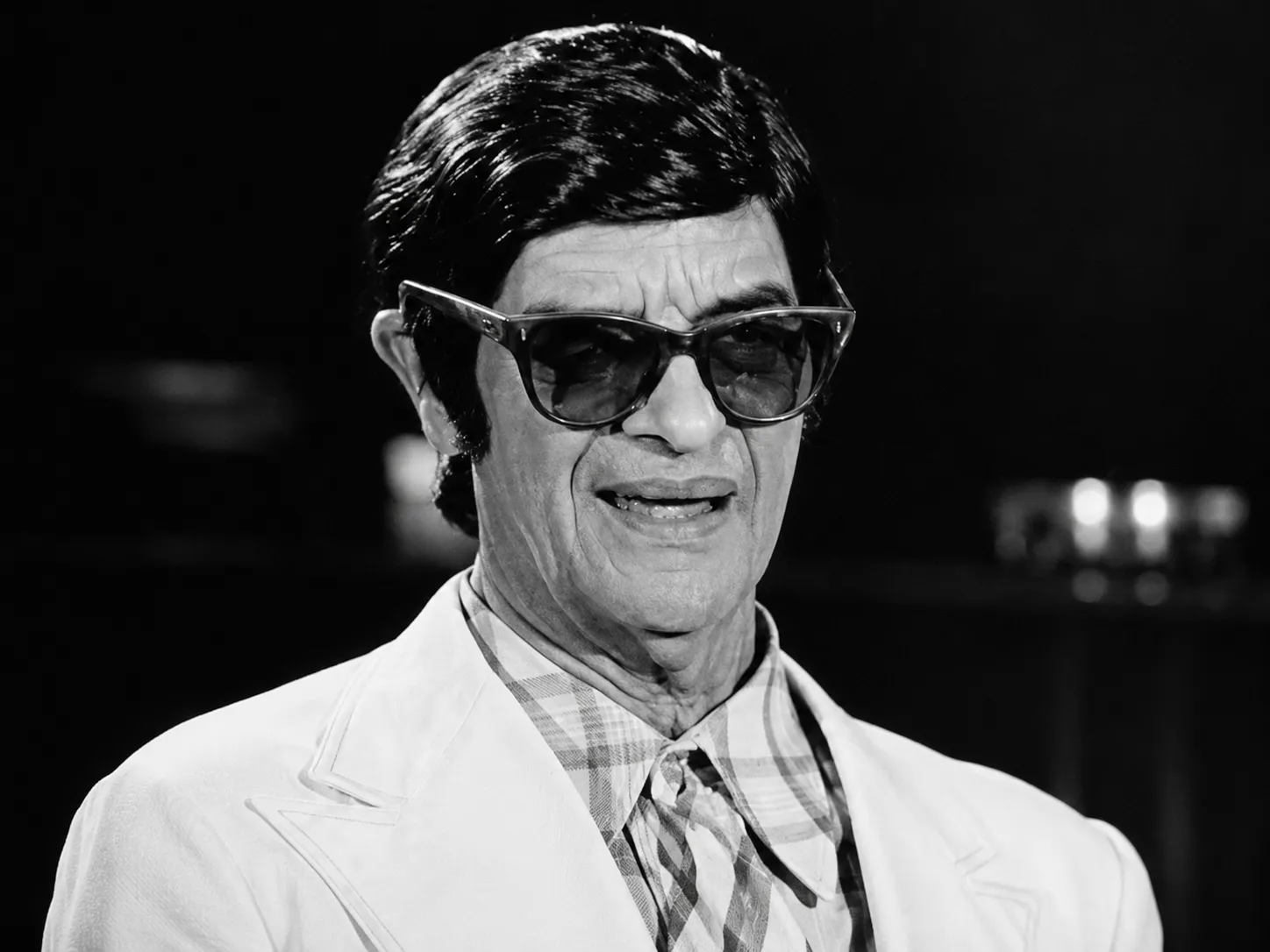
8. Chico Xavier
Francisco “Chico” Xavier (1910–2002) was Brazil’s most famous medium and remains a towering figure in the country’s Spiritist movement, which claims tens of millions of adherents. Over roughly seventy years, Xavier produced more than 490 books through a process Brazilian Spiritists call “psychography” — writing that practitioners believe is dictated directly by the spirits of the deceased rather than composed by the medium’s own subconscious.
His first book, 1932’s “Parnaso de Além-Túmulo” (“Parnassus from Beyond the Tomb”), contained more than 250 poems attributed to 56 dead Brazilian and Portuguese poets and became an immediate bestseller. His most commercially successful work, 1944’s “Nosso Lar” (“Our Home”), sold more than two million copies and was later adapted into a Brazilian film.
Xavier also personally psychographed more than 10,000 letters for grieving parents seeking messages from their deceased children. He was twice nominated for the Nobel Peace Prize in 1981 and 1982, largely because he donated all proceeds from his books to charity and never accepted payment for his mediumship.
In 2010, however, journalist Kentaro Mori published an article in Skeptical Inquirer alleging that Xavier’s own close associate, fellow medium Waldo Vieira, had stated that staff at Xavier’s spiritist center gathered background information on visiting clients, which was later incorporated into his “psychographed” letters.
Xavier died on June 30th 2002 — the same day Brazil won the FIFA World Cup, a coincidence his devoted followers still regard as fitting for a man they consider a national saint.
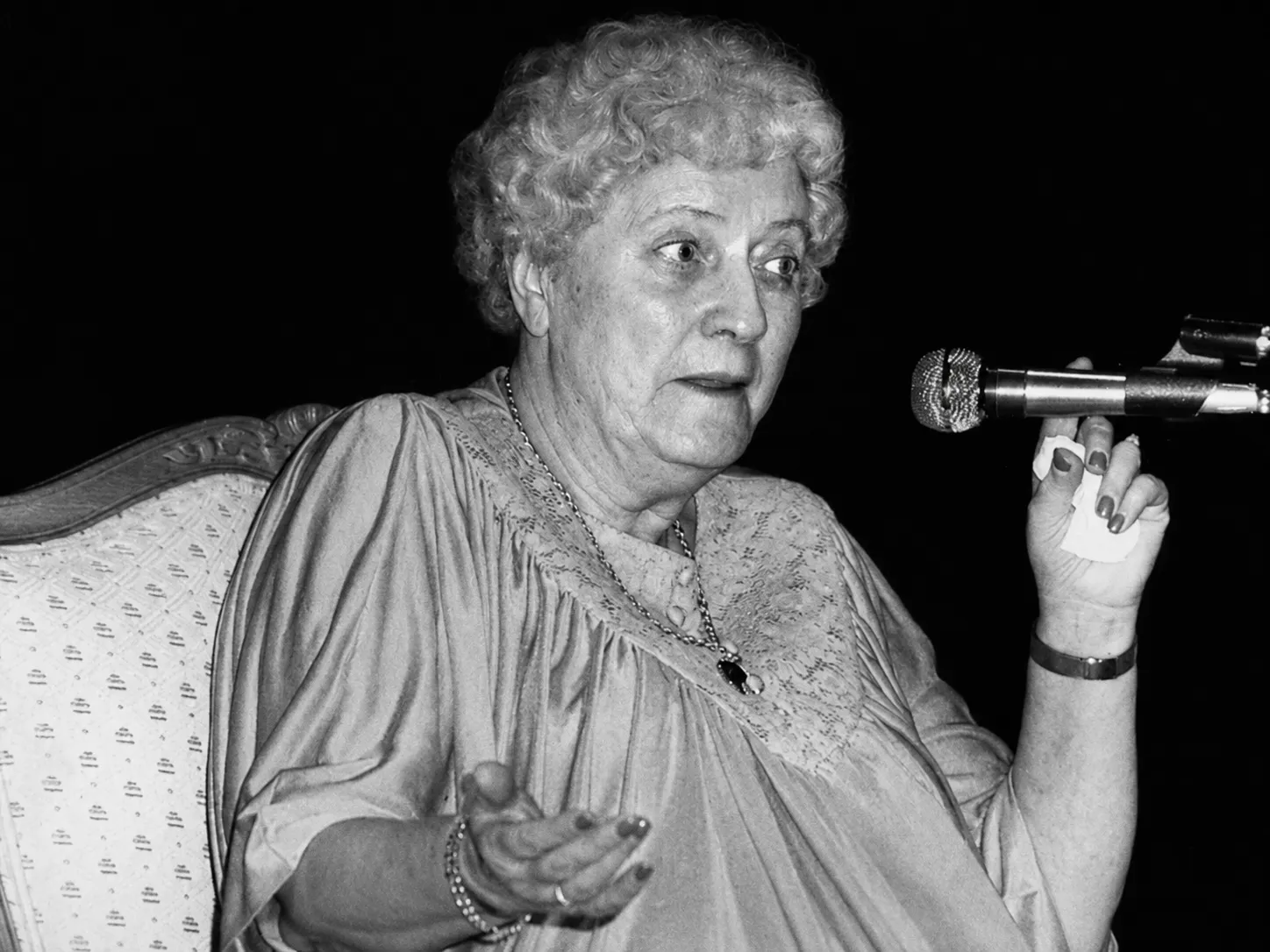
9. Doris Stokes
Doris Stokes (1920–1987) was a working-class British medium who rose from a childhood of poverty in Grantham, Lincolnshire, to become the first medium ever to sell out the London Palladium and the Sydney Opera House.
Recognized by the Spiritualists’ National Union in 1949, Stokes developed a “clairaudient” style, meaning she claimed to hear spirit voices rather than see visions, and she built a career on stage performances where she would deliver messages to seemingly random audience members, punctuated by her trademark catchphrase, “Eh, luvvie.” Her seven “Voices in My Ear” memoirs, ghostwritten with journalist Linda Dearsley, were bestsellers throughout the 1980s.
Investigations published after her death, however, found strong evidence of deception: theatre managers confirmed that Stokes routinely booked the front rows of venues for herself in advance, and reporters discovered that people she appeared to “randomly” contact on stage — including a grieving young widow named Dawn during a 1986 Palladium performance — had, in fact, spoken with Stokes by telephone beforehand.
Skeptic James Randi publicly called her a liar on Australian television’s “The Don Lane Show” in 1980, prompting the host to walk off the set in her defense. She was also unable to provide police with any new information in the unsolved 1979 murder of Las Vegas businessman Vic Weiss, despite claiming to have contacted his spirit.
Stokes continued performing and giving free consultations until shortly before her death from a brain tumor in 1987.
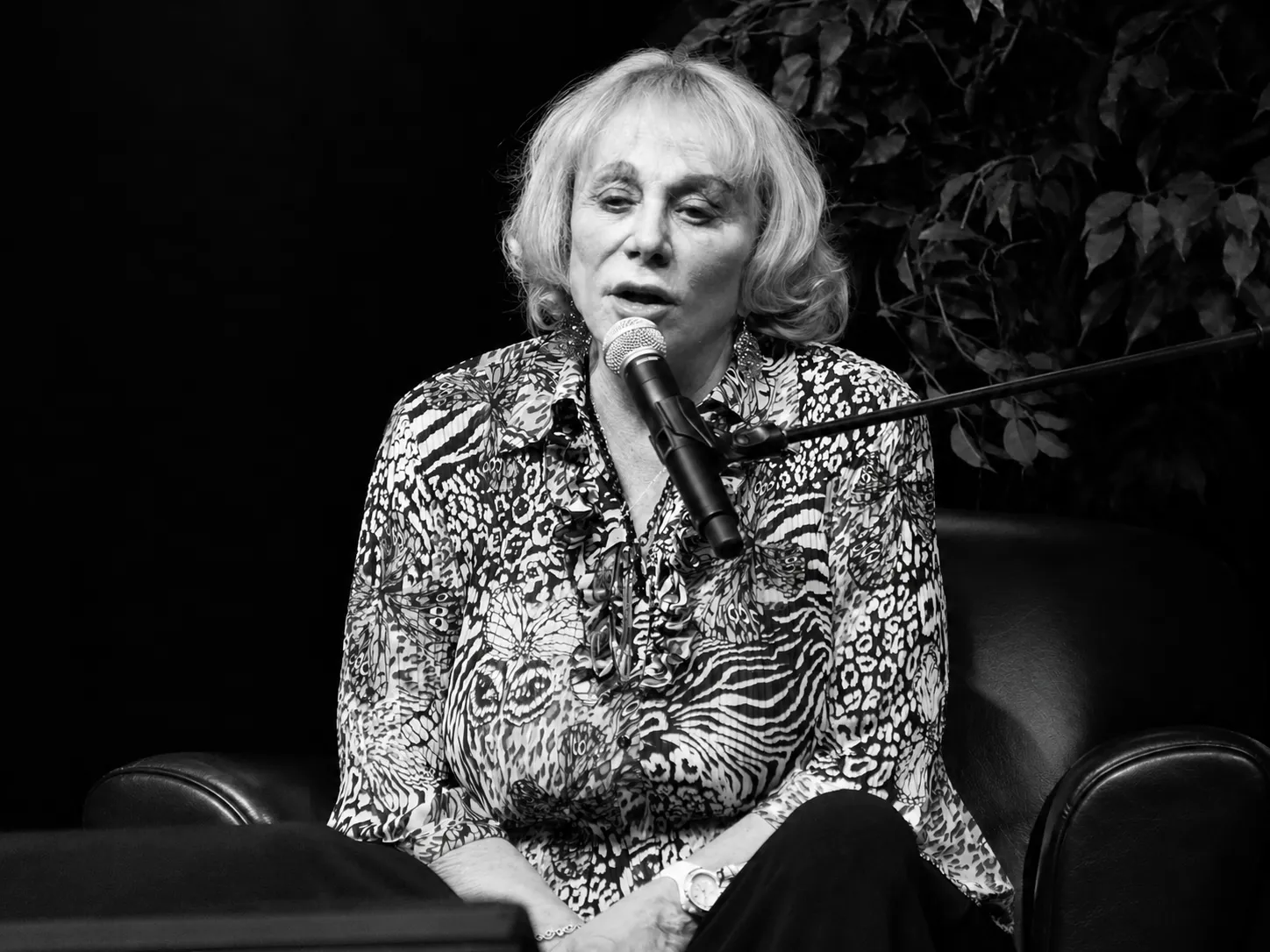
10. Sylvia Browne
Sylvia Browne (1936–2013) became one of America’s most recognizable psychic mediums through her regular appearances on “The Montel Williams Show” and Larry King’s programs, where she offered readings and acted as a self-described psychic detective in missing-persons cases.
Browne was a convicted felon: in 1992, she and her husband Kenzil Brown were found guilty of grand larceny and securities fraud related to an unregistered investment scheme, for which she received probation. Her television career, however, survived the conviction and continued to grow through the 1990s and 2000s. Browne’s most damaging controversies involved cases where families relied on her predictions during active investigations.
In 2002, she told the parents of missing 11-year-old Shawn Hornbeck, live on television, that their son was dead and had been abducted by a dark-skinned man with dreadlocks; Hornbeck was found alive in 2007, and his actual kidnapper was a short-haired white man.
In 2004, she told the mother of kidnapping victim Amanda Berry that her daughter was dead, describing a vision of Berry’s jacket in a garbage pile with DNA on it; Berry was found alive in 2013, but her mother had died two years earlier still believing Browne’s prediction.
In 2006, when the Sago Mine disaster in West Virginia trapped several miners underground, Browne stated on the radio program “Coast to Coast AM” that all were found alive, only for the actual news — that all but one had died — to break within hours.
A 2010 review published in Skeptical Inquirer examined 115 of Browne’s public predictions in missing-person and murder cases and found she was accurate in essentially none of them.
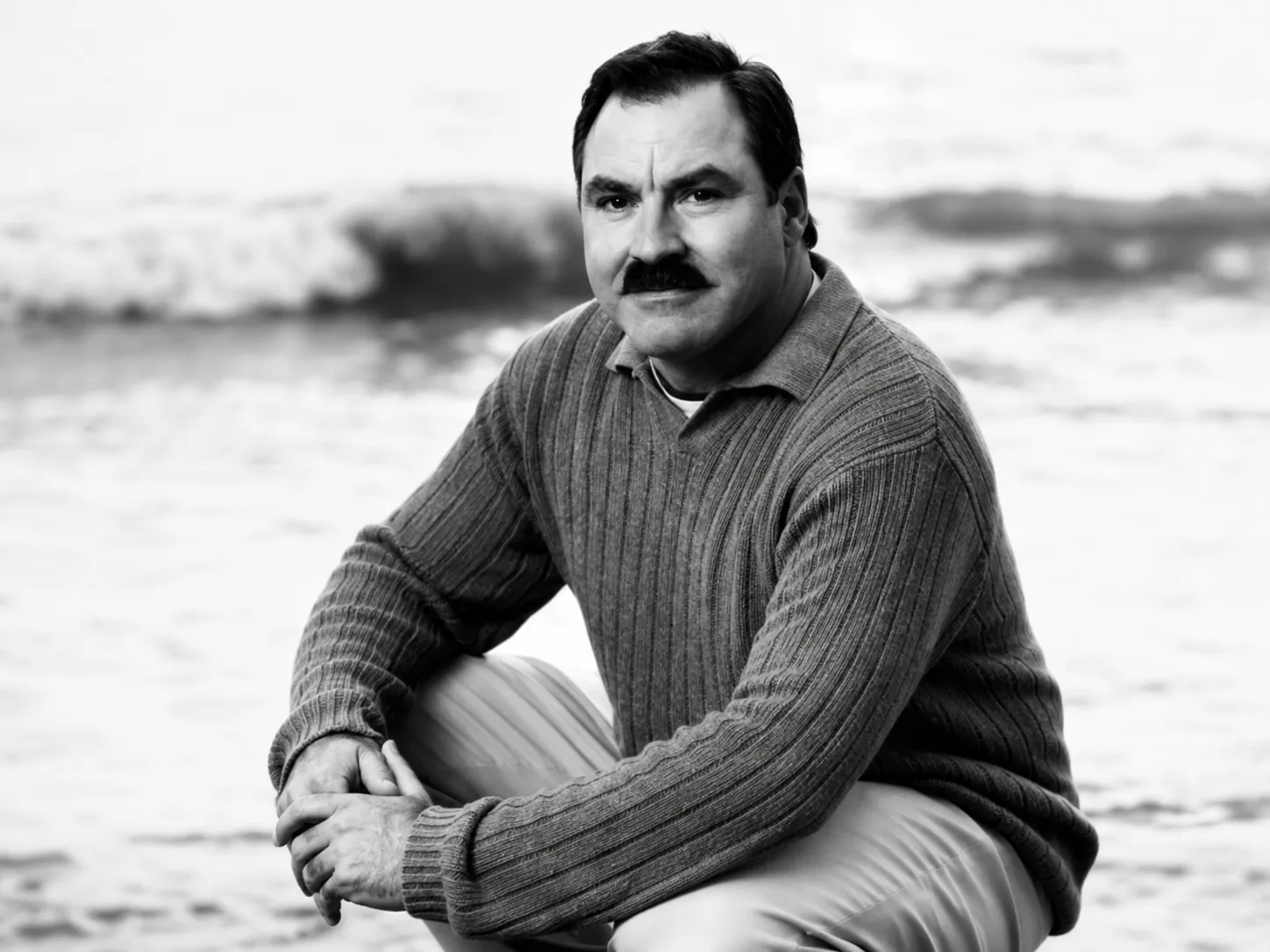
11. James Van Praagh
James Van Praagh (born 1958) is an American medium widely credited as one of the figures who brought mediumship into mainstream television and publishing in the late 1990s.
Raised Catholic in Bayside, New York, and briefly enrolled in a pre-seminary program as a teenager, Van Praagh says he became convinced of his own psychic gift after attending a séance with British celebrity medium Leslie Flint, who he claims channeled his deceased mother.
He built a private-reading practice in Los Angeles through the 1980s before a 1997 appearance on “Larry King Live” to promote his book “Talking to Heaven” catapulted his career; he says the book’s sales jumped from around 6,000 copies to roughly 600,000 in under three months. It went on to top The New York Times bestseller list for thirteen weeks.
Van Praagh went on to co-executive produce the CBS drama “Ghost Whisperer,” starring Jennifer Love Hewitt, which ran for five seasons from 2005 to 2010 and was loosely inspired by his professional life, as well as the CBS miniseries “Living with the Dead,” in which he was portrayed by actor Ted Danson.
Like most working mediums, Van Praagh has faced sustained criticism from skeptics including James Randi and Joe Nickell, who argue his readings rely on cold-reading and hot-reading techniques rather than genuine spirit contact; the James Randi Educational Foundation publicly offered him its Million Dollar Paranormal Challenge, which he did not take up.
In 2013, Van Praagh sued his own sister, Lynn Gratton, for trademark infringement after she began using the Van Praagh name — which she had legally carried for over forty years through marriage — for her own psychic work.
You may also enjoy:
Is the Alabama Sasquatch Real? Latest Sightings & Proof
April 18, 2025

12. John Edward
John Edward (born 1969) became one of the most recognizable psychic mediums in America through his Sci-Fi Channel series “Crossing Over with John Edward,” which aired from 2000 to 2004 and used a distinctive split-screen format to show his rapid-fire readings alongside audience members’ reactions. A former ballroom dancing instructor from Long Island, Edward says he was drawn into mediumship at 15 after a reading from a New Jersey psychic convinced him he had the gift.
His show made him a household name, but also a lightning rod for skeptics: illusionist and paranormal investigator James Randi analyzed a two-hour tape of “Crossing Over” and found that only three of twenty-three specific statements Edward made were confirmed as correct by the audience member being read.
Investigator Joe Nickell similarly reviewed a Larry King Live appearance and found Edward was wrong about as often as he was right, with most of his “hits” being vague (for example, guessing an unspecified “M-name” relative).
A widely reported Time magazine investigation quoted a “Crossing Over” audience member, marketing manager Michael O’Neill, who grew suspicious after noticing producers collecting family details from waiting audience members on cards before the taping began — details Edward could have used to construct convincing “hot readings.”
In 2001, Edward drew significant public backlash after Studios USA scheduled a special episode in which he claimed to read the relatives of September 11th victims; the broadcast was canceled following an outcry over its perceived exploitation of a national tragedy. Despite the criticism, Edward has continued to tour internationally for over two decades under the title “John Edward Cross Country.”

13. Theresa Caputo
Theresa Caputo, known to millions as the “Long Island Medium,” starred in the TLC reality series of the same name from 2011 to 2019, one of the longest-running and most-watched programs centered on a working psychic medium.
Born in Hicksville, New York, Caputo says she began sensing spirits at age four but did not embrace her ability professionally until adulthood, after working with spiritual mentor Pat Longo to interpret what she had previously experienced as unexplained anxiety.
Her show followed her as she gave impromptu readings to strangers — in grocery stores, on the street, at friends’ homes — as well as to paying clients, all set against her recognizable big hair and Long Island accent.
Caputo has authored four New York Times bestselling books and tours nationally as “Theresa Caputo Live! The Experience.” She has drawn sustained skepticism, including a 2012 “Pigasus Award” from the James Randi Educational Foundation, a satirical honor given to figures the organization considers paranormal frauds; investigative reporters and outlets, including Inside Edition, have suggested that her show edits out failed readings and that she may research clients in advance of tapings.
Illusionist Criss Angel, also from Long Island, publicly challenged her to his own million-dollar test of her abilities, which she has not accepted. In 2024, Caputo returned to television with a new Lifetime series, “Theresa Caputo: Raising Spirits,” extending a television career now spanning more than a decade.
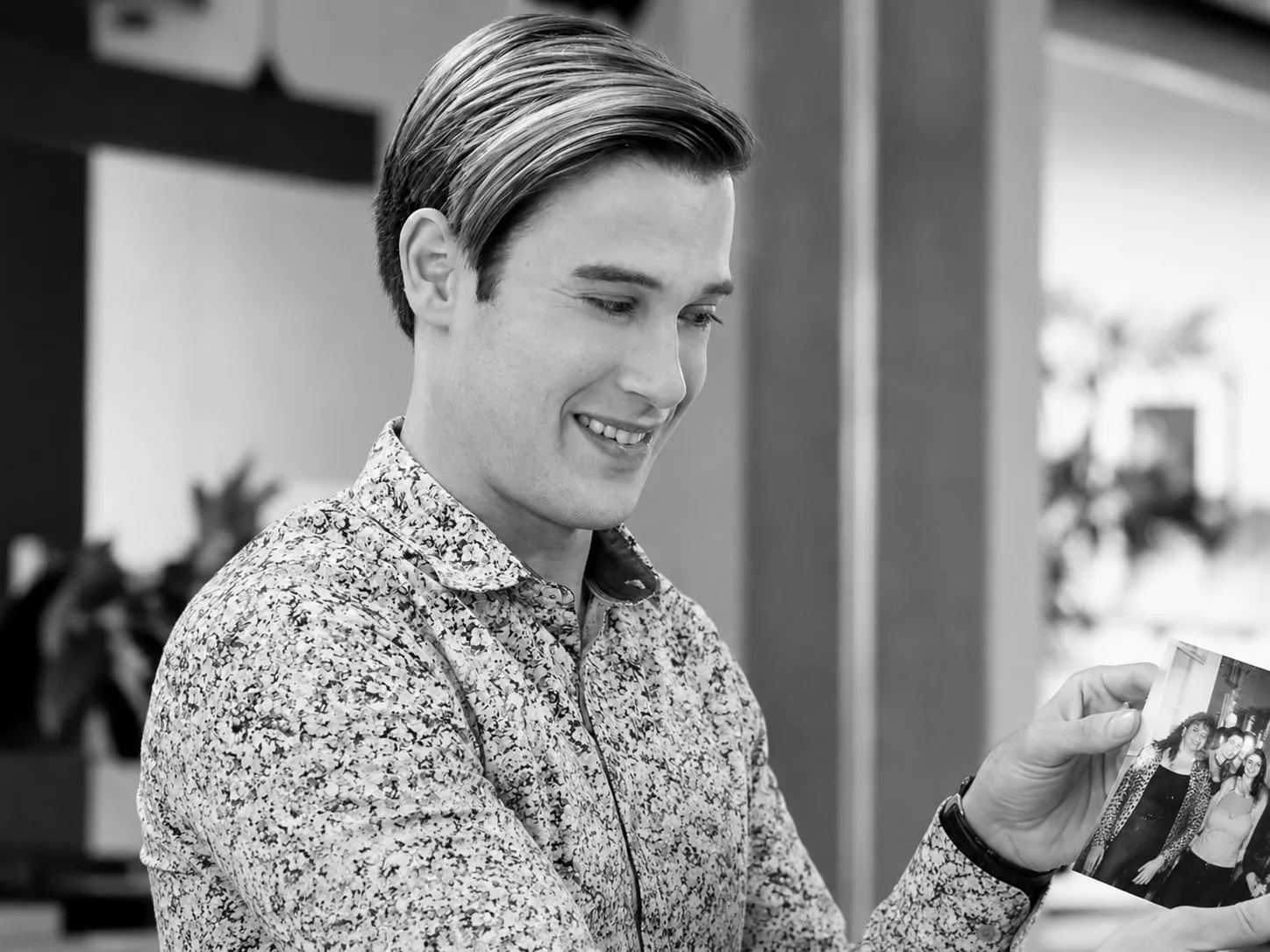
14. Tyler Henry
Tyler Henry (born 1996) is an American medium who became famous as a teenager through the E! reality series “Hollywood Medium with Tyler Henry,” which premiered in 2016 and focused on readings for celebrity clients rather than the general public.
Henry, from the small city of Hanford, California, says he first realized he was clairvoyant at age ten, when he predicted his grandmother’s death. He began giving paid readings to classmates and teachers while still in high school. He was propelled into the entertainment industry after actress Sarah Paulson, impressed by a personal reading, invited him to a Los Angeles party where he met the talent managers who would help sell his show to E!.
Henry has since given readings to celebrities including Nancy Grace, La Toya Jackson, and Bobby Brown, and released two bestselling books, “Between Two Worlds” and “Here & Hereafter.”
His most-discussed reading involved actor Alan Thicke, whom Henry warned in mid-2016 about potential heart and blood-pressure problems; Thicke died several months later of a ruptured aorta, a moment his supporters cite as remarkable and his critics dismiss as a common-enough health warning that happened to align with events.
Skeptics, including comedian John Oliver on “Last Week Tonight,” have argued Henry’s readings rely on information celebrities have already made public, pointing to his reading of “Today” show host Matt Lauer as an example where Henry surfaced details about Lauer’s late father that had previously appeared in interviews.
Henry’s shows have expanded into Netflix originals, including “Life After Death with Tyler Henry” and “Live from the Other Side with Tyler Henry,” with a reported waiting list that has exceeded half a million requests for private readings.
You may also enjoy:
Who Is Azazel, the Demon Who Corrupted Humanity?
September 29, 2025
What Is Redcap? The Bloodthirsty Goblin of Scottish Folklore
February 5, 2026
Sources
- Carrington, Hereward. Eusapia Palladino and Her Phenomena. B.W. Dodge, 1909.
- Edward, John. Crossing Over. Jodere Group, 2001.
- Guiley, Rosemary Ellen. The Encyclopedia of Ghosts and Spirits. 3rd ed., Facts On File, 2007. Internet Archive.
- Hall, Trevor H. The Spiritualists. Helix Press, 1963. Revised as The Medium and the Scientist. Prometheus Books, 1984.
- Henry, Tyler. Between Two Worlds: Lessons from the Other Side. Gallery Books, 2016.
- Home, Daniel Dunglas. Incidents in My Life. New York, A.K. Butts, 1872.
- Jenkins, Elizabeth. The Shadow and the Light: A Defense of Daniel Dunglas Home the Medium. Hamish Hamilton, 1982.
- Medhurst, R. G., editor. Crookes and the Spirit World. Souvenir Press, 1972.
- Boeche, Dr. Raymond. Complete Annals of the Journal of the Fortean Research Center (Searchable)_Part2.Pdf. Academia.edu.
- Murdie, Alan. (2018). Tribute to Guy Lyon Playfair (1935–2018). Journal of Scientific Exploration. 32. 604-609. 10.31275/2018/1332.
- Podmore, Frank. Modern Spiritualism: A History and a Criticism. Methuen, 1902.
- Sage, Michael. Mrs. Piper and the Society for Psychical Research. Translated by Noralie Robertson, R.G. Badger, 1904.