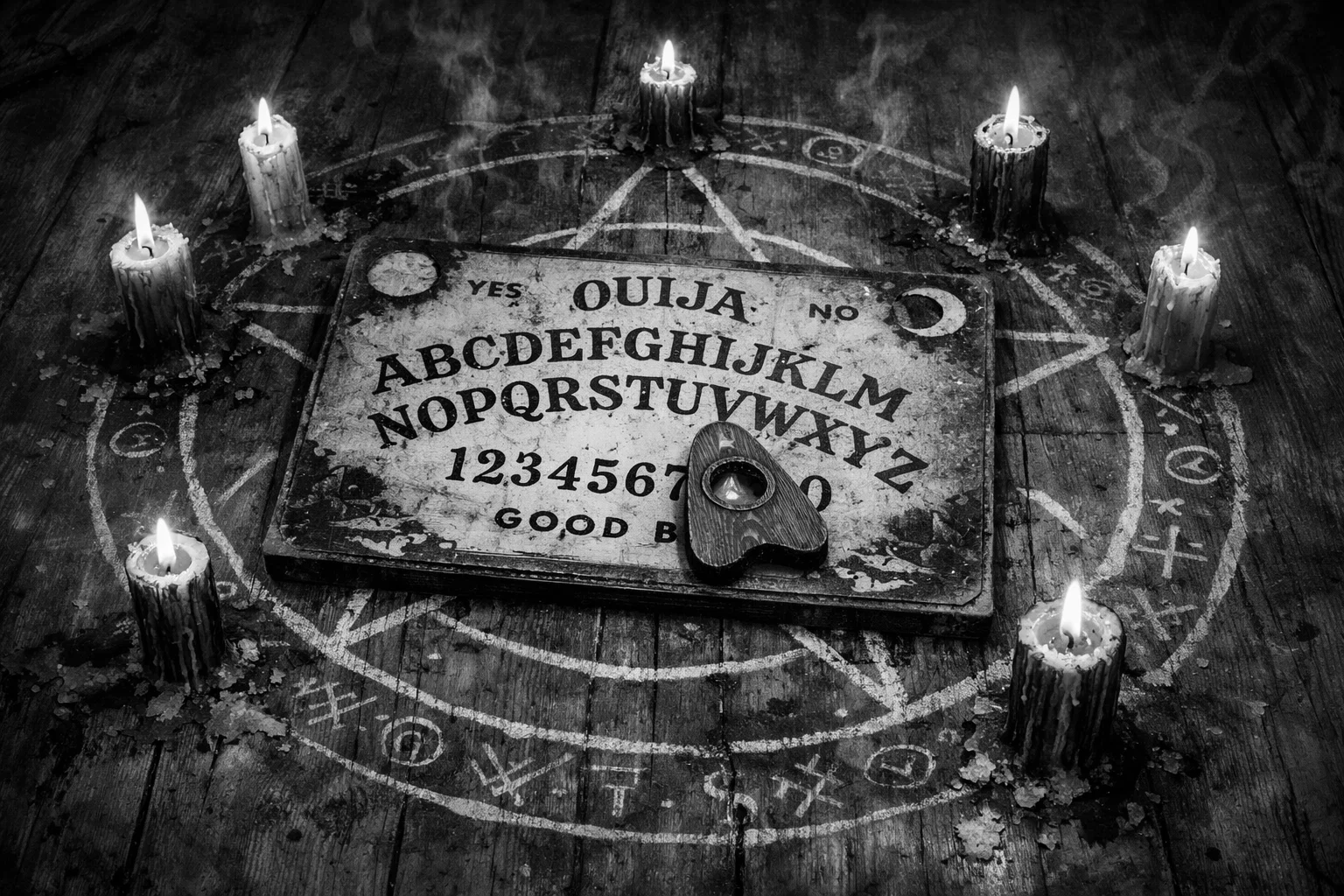
The Ouija Board is a modern version of earlier spirit communication methods (such as talking boards and table-turning), which were popular in the 19th century and served as precursors in attempts to contact the spirit world.
A Ouija Board is a flat board with the alphabet arranged in two arcs, numbers 0 to 9, YES and NO in the corners, and GOODBYE at the bottom. Players use a heart-shaped pointer called a planchette, which moves when they rest their fingers on it.
How to use a Ouija Board? The main reported paranormal activity is the planchette gliding across the board to spell out messages, answer questions, or give responses from spirits. This usually happens in group sessions with dim lighting.
Summary
Famous People Who Used the Ouija Board
Since the 1890s, the Ouija board has attracted writers, poets, occultists, and spiritual seekers. During the Spiritualism movement and after World War I, when many people wanted to contact the dead, the board shifted from a party game to a tool for spirit communication and creative inspiration.
Pearl Curran (1883–1937), a housewife from St. Louis, was one of the first and most well-known users of the Ouija board. Around 1913, she said she channeled a 17th-century English spirit named Patience Worth.
For over twenty years, Curran wrote down novels, poems, and stories that Patience supposedly dictated, including The Sorry Tale, Hope Trueblood, and Telka. These works were praised at the time, though some people thought Curran created them herself without realizing it.
Her friend Emily Grant Hutchings also used the board and claimed in 1917 that her novel Jap Herron: A Novel Written from the Ouija Board was dictated by Mark Twain’s spirit, but critics did not think it matched Twain’s real work.
Aleister Crowley (1875–1947), a well-known occultist and founder of Thelema, admired the Ouija board and used it in his magical practices. He saw it as a real way to contact spirits, much like John Dee’s scrying methods, and even tried to create and sell his own version. His student Jane Wolfe, who lived with him at the Abbey of Thelema, also used the board for spiritual communication.
Sylvia Plath (1932–1963) and her husband Ted Hughes (1930–1998) tried using a homemade Ouija board, using an upside-down glass as the planchette on a circle of letters. They said they contacted a spirit guide named Pan, who gave them messages about poetry, future publishers (including correctly predicting Knopf for Plath), and personal topics, often with a dark or gloomy tone.
These sessions inspired Plath’s poems “Ouija” and “Dialogue Over a Ouija Board,” with the second poem closely following their spirit conversations and written in strict rhyme.
Jane Roberts (1929–1984) began using the Ouija board with her husband, Robert Butts, in late 1963 while researching extrasensory perception. On December 2, 1963, they received messages from an entity called Seth, described as an “energy personality essence” no longer living in the physical world. This led to the Seth Material, a series of well-known metaphysical books said to be dictated by Seth, which helped fire up interest in channeling during the New Age movement.
James Merrill (1926–1995), a Pulitzer Prize-winning poet, held many sessions with his partner David Noyes Jackson over twenty years using a homemade Ouija board.
They said they received messages from spirits like W.B. Yeats, Maya Deren, and the Archangel Michael. Merrill used these messages in his long poem The Changing Light at Sandover (1982), which is 560 pages and has sequels like Mirabell: Books of Number (winner of the National Book Award) and Scripts for the Pageant. Later, Merrill said the board might have simply brought out his own thoughts rather than relying solely on external messages.
Other important users include William Butler Yeats, whose later poetry was inspired by occult practices like the Ouija board. There are also lesser-known cases of authors claiming to channel dead writers or musicians using board experiences in their albums.
Tired of Bad Luck, Dark Spirits, and Toxic Vibes Draining Your Life?
Limited-Time: Up to 25% OFF!
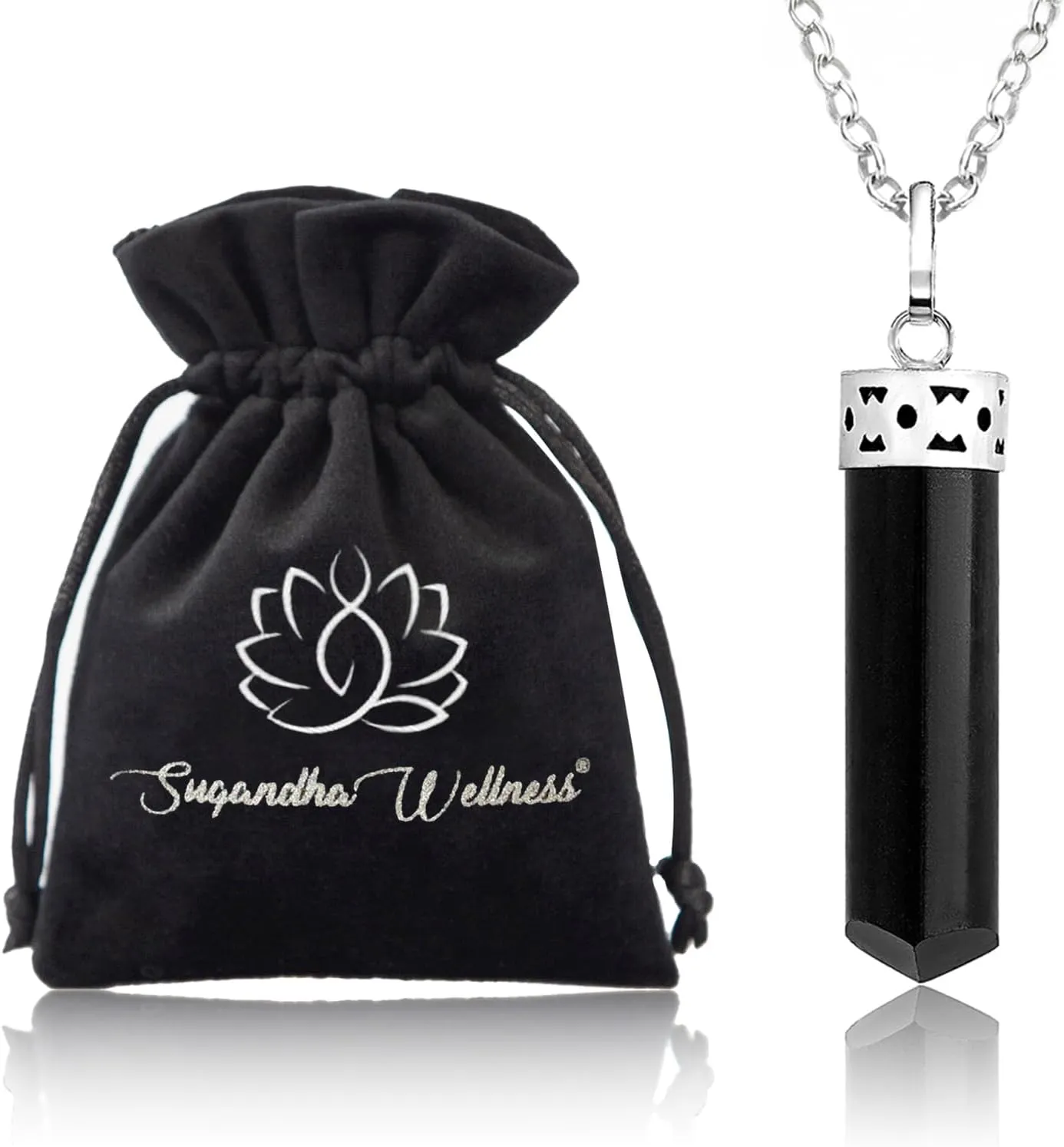
Natural Black Tourmaline Crystal Healing Pendant – Genuine raw tourmaline • Absorbs & transmutes negativity • Guards against psychic attacks & hauntings • Deep spiritual cleansing for home & body • Purifies chakras & spaces from bad vibes. A portable force field—essential for sensitive souls in chaotic times.
How to Use a Ouija Board
Gather at least two people, since many experienced users say using the board alone is riskier. Choose a quiet place without distractions, and if possible, avoid using it in your own home to prevent unwanted attachments. Dim the lights and light white candles or incense to help you focus and feel protected.
Cleanse the board and the space by moving the planchette and the board through smoke or over candle flames clockwise three times. Sit in a circle around the board, which should be on a flat surface or on your laps. Each person should lightly rest their index and middle fingers on the planchette without pressing down. Choose one person to be the main questioner.
Start by inviting only positive or kind spirits, using phrases like “We invite only good spirits who wish to communicate peacefully.” Begin with simple yes-or-no questions, such as “Is anyone here?” or “Are you a friendly spirit?” to make contact. Be patient, as the planchette might move slowly or circle before giving an answer.
Ask only one question at a time and give the planchette time to settle on letters, numbers, or words. Stay calm and respectful during the session. If the planchette starts moving in strange patterns, like figure-eights, or spells out negative words, stop right away.
You may also enjoy:
The Sphinx: The Greek Monster That Devoured Thebes
October 30, 2025
Alecto: Demon of Madness, Possession, and Endless Vengeance
September 1, 2025
Who Is Abaddon and Why Is He Called the Destroyer?
May 27, 2025
Lamia: The Child-Devouring Demon of Greek Mythology
November 13, 2025
Haagenti: The Demon of Alchemy and Transformation
August 21, 2025
Interpreting the Readings
Watch the planchette’s movements carefully. It gives answers by landing on or pointing to letters, numbers, YES, NO, or GOODBYE. Many people read the letters, and they stop on or pass over to form words or sentences.
Some planchettes have a window or a point. Use the window for spelling and the point for yes or no answers. The movement often feels involuntary, gliding smoothly or sometimes jerking. People have described the planchette pulling strongly or moving quickly once contact is made. Watch for patterns: repeated letters might mean emphasis, while circling or counting down can signal problems. For yes-or-no questions, take the answer directly. For longer messages, write down each letter in order.
Experienced users advise skepticism—spirits may provide false information or impersonate others. If responses become vulgar, threatening, or incoherent, end the session. Document answers for later review to identify themes or accuracy.
20 Tips and “Rules” for How to Use a Ouija Board
Here are the tips and rules for how to use a Ouija Board you really need to know before starting any session:
1) Use the Ouija board with at least two people, and ideally two to four. Group energy helps with balance, protection, and shared responsibility. Using the board alone can make you more vulnerable to unwanted influences and make it harder to control the session or end it safely.
2) Choose a quiet, dimly lit space with few distractions. Turn off phones, TVs, and bright lights to help everyone focus and create a calm setting. Avoid places that feel chaotic or emotionally charged.
3) Cleanse the board, planchette, and area before you start. Pass sage, incense, or protective smoke over them in clockwise circles, or sprinkle salt water while saying your intention. This helps clear old energies and sets a positive mood for the session.
4) Put a silver object, such as a coin or jewelry, on the board during the session. Many people believe silver helps block negative energies and makes communication clearer.
5) Make sure everyone is feeling positive, sober, and mentally stable. Don’t hold a session if anyone feels scared, angry, sick, depressed, or is under the influence, as negative emotions can attract unwanted energies or disrupt the session.
6) Choose one person to ask all the questions, and have the group agree on them ahead of time. This keeps the session focused and avoids confusion or mixed answers.
7) Gently warm up the board by moving the planchette in slow circles or figure-eights before you start asking questions. This helps everyone get in sync and shows you’re ready to begin.
8) Rest your index and middle fingers lightly on the planchette and keep them there until the session is properly closed. This helps keep the connection steady and avoids sudden, erratic movements.
9) At the start, clearly invite only positive or helpful spirits. Use phrases like “We welcome only spirits here for our highest good” to keep out negative influences from the beginning.
10) Ask one clear question at a time, starting with simple yes or no questions and moving on slowly. Be specific so you don’t get vague or confusing answers.
11) Always treat the session with respect. Don’t taunt, mock, laugh at, argue with, or challenge the responses, as being disrespectful can lead to stronger or more persistent activity.
12) Don’t ask for physical signs, things to happen outside the board, or proof of presence. These requests can sometimes lead to chaotic or aggressive responses.
13) Don’t ask about death dates, harmful futures, or anything meant to scare. These questions can bring unsettling or misleading answers that may cause lasting worry.
14) Watch for warning signs like fast figure-eights, infinity loops, counting numbers backward, zigzagging through the alphabet, or spelling words like ZOZO. If you see these, move the planchette to GOODBYE and end the session right away, as they can indicate that things are getting out of control.
15) End the session immediately if anyone feels sudden discomfort, cold spots, fear, nausea, or any strange feelings. Your well-being is more important than satisfying curiosity.
16) Always end the session properly. Thank any spirits, move the planchette to GOODBYE while saying it out loud, and only lift your fingers after it stops there. This helps fully close the connection.
17) After the session, cleanse the area again with smoke, prayer, or salt to clear away any leftover energy. You can also imagine a protective light around everyone and the space for extra safety. Placing crystals like black tourmaline or amethyst nearby can help shield against unwanted energies. Saying prayers or invocations, such as the St. Michael’s prayer or another that is meaningful to you, can also help protect the environment during and after the session.
18) When you’re not using the board, keep the planchette in a different place. Many people believe this helps prevent an open portal and lowers the risk of unwanted activity resuming.
19) Don’t use the Ouija board too often. Limiting sessions helps prevent a buildup of energy or becoming obsessed. Using it too much can make you more sensitive to disturbances and harder to maintain boundaries.
20) Never try to burn or destroy the board carelessly if you have problems, as some traditions warn that this could release trapped energy. Safer ways to get rid of a board include breaking it into seven pieces, cleansing each piece, and then burying them. Some cultures suggest burying the pieces in a natural place away from your home or performing a ritual burial to safely close any spiritual portals. These methods respect cultural traditions and focus on safely handling the board’s energy.