The Nuckelavee is a lone, evil creature from Orcadian mythology. It is often called the most feared spirit along the Scottish coast.
Unlike other mythical creatures that might have both good and bad sides, the Nuckelavee is known only for its hatred of people. It looks like a disturbing mix of horse and man, has no skin, and breathes disease, making it an entity of fear in Northern folklore.
Summary
Key Takeaways
| Attribute | Details |
| Names | Nuckelavee, Knoggelvi; derived from Orcadian ‘cnoggelvi’ or possibly the Old Norse ‘nykur’. |
| Nature | Demon, Malevolent Sea-Spirit. |
| Species | Hybrid (Equine/Humanoid), Aquatic. |
| Appearance | Skinless, horse-like body fused with a human torso, long arms reaching the ground, single giant red eye. |
| Area | Orkney Islands, Scotland; specifically the coastal waters and shorelines. |
| Creation | Indigenous manifestation of marine chaos and pestilence; held in check only by the Mither of the Sea. |
| Weaknesses | Fresh running water, the presence of the Mither of the Sea during summer. |
| First Known | Oral tradition documented extensively in the 19th century by Jo Ben and Walter Traill Dennison. |
| Myth Origin | Orcadian/Norse-Gaelic folklore. |
| Strengths | Breath of plague, extreme strength, ability to cause drought and crop failure. |
| Time Active | Primarily active during the winter months. |
| Diet | Does not consume food in a traditional sense; sustained by the destruction of life. |
| Protection | Crossing a fresh water stream, avoidance of the shoreline during winter storms. |
Who or What Is Nuckelavee?
The Nuckelavee is a terrifying sea demon said to haunt the Orkney Islands off the coast of Scotland. It is sometimes grouped with the fuath, a type of evil Gaelic water spirit, but it stands out because of its size and extreme cruelty.
Many water creatures, like the kelpie or selkie, use tricks or seek company. Still, the Nuckelavee only wants to bring suffering, disease, and death to the people living on the islands.
In the sea, the Nuckelavee is formless and evil, but when it comes onto land, it takes on a frightening shape. People say it appears most often on stormy winter nights by the shore. It does not just attack people—it also destroys crops and farms.
When the Nuckelavee is near, animals die, and crops fail because its breath is poisonous to everything on land. For people in Orkney, it symbolized the wild and sometimes dangerous power of the sea around their homes.
The One Book They Took Out of Your Bible
Limited-Time: Up to 90% OFF!
Banned for centuries, now fully restored with the real names of the fallen angels intact. Discover why 200 Watchers descended, taught forbidden knowledge, created the Nephilim giants, and triggered the Flood – the missing scripture that changes everything you thought you knew about Genesis.
Genealogy
| Relation | Identity |
| Superior/Jailer | Mither of the Sea (Sea Mother) |
| Adversary | Teran (Spirit of Winter) |
| Related Entities | Nuggle (Orcadian water horse), Each-Uisge (Highland water horse) |
Etymology
The name Nuckelavee comes from the Orcadian word knoggelvi, which has roots in both the old Norn language and Old Norse. Experts say the first part, nuck or knog, is linked to the Old Norse word nykur, used in Northern Europe for water horses or spirits, such as the Scandinavian Nix or German Nixe.
The ending elavee is unique to the Orcadian dialect. Some experts think it comes from ‘o’ the lee’ or is just a local way to describe the creature’s ‘devilish’ nature. In the 1800s, Walter Traill Dennison often called it the ‘Devil of the Sea.’
The name marks the Nuckelavee as a special and powerful version of the nykur legend, turning it from just a water-horse into a unique demon of the sea. Unlike the nuggle, a playful but harmless spirit, the Nuckelavee’s name inspired fear. It was often spoken quietly so as not to draw its attention.
What Does the Nuckelavee Look Like?
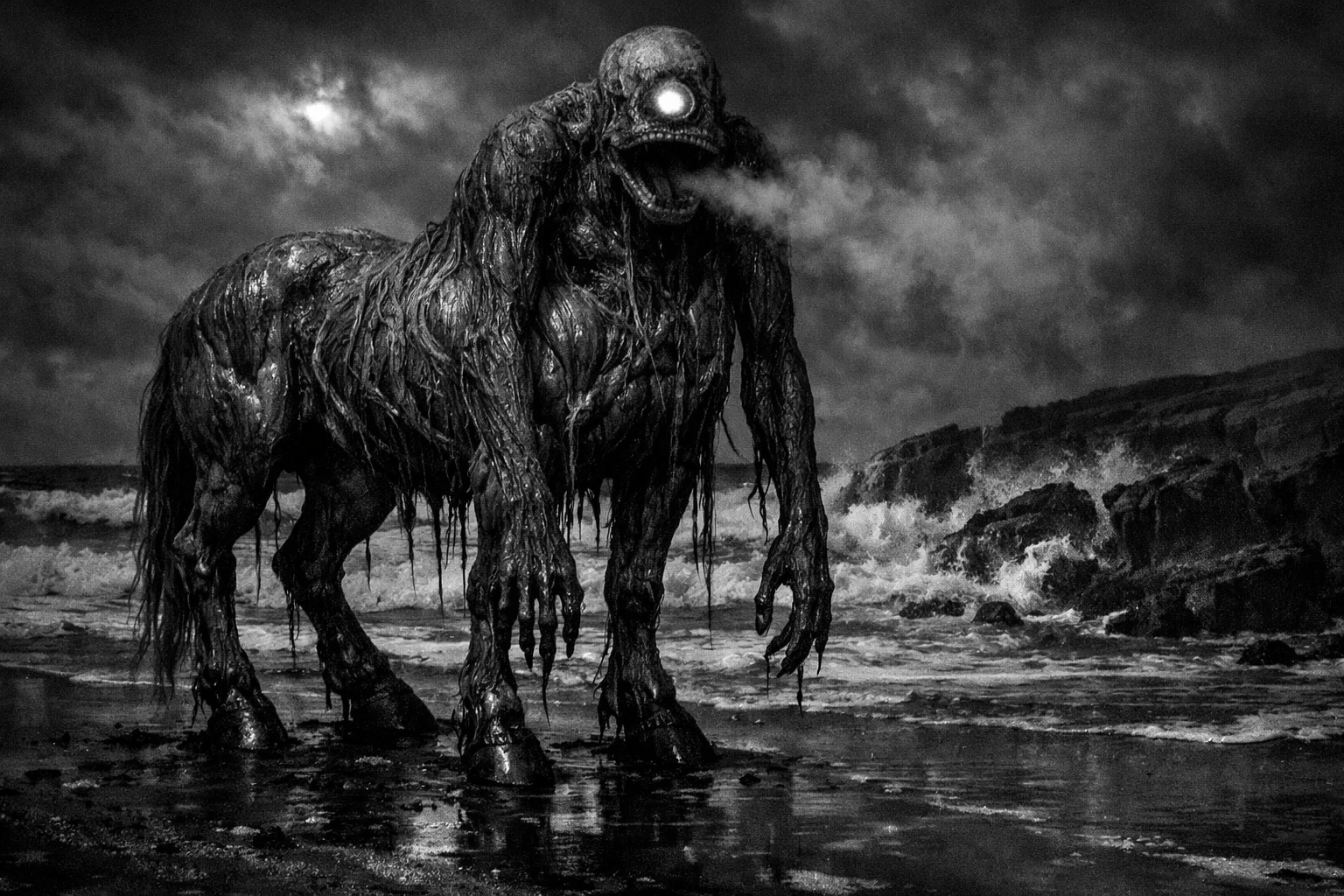
The Nuckelavee’s appearance is one of the most frightening in British folklore. It looks like a huge horse with a human torso growing out of its back, as if a rider is part of the animal. The human part has a large head and arms so long that they reach the ground.
The most terrifying thing about the Nuckelavee is that it has no skin. Its red flesh, thick yellow veins, and strong muscles are all exposed. It has one huge, glowing red eye that burns with a ‘rekindled fire.’ Its mouth is like a whale’s, and its breath is a ‘foul, sulfurous vapor’ that kills plants and makes animals sick.
You may also enjoy:
The Winchester Mystery House Haunting: The Real Story
October 23, 2025
Is Busby’s Stoop Chair Curse Really Deadly?
May 26, 2025
Complete Guide to Utah Bigfoot Sightings (1970–2025)
August 8, 2025
Complete Guide to Iowa Bigfoot Sightings (1965–2025)
July 28, 2025
Who or What Is the Owlman of Mawnan Church?
November 5, 2025
Mythology
Stories about the Nuckelavee are closely tied to the seasons in the Northern Isles. Orcadian legends say the sea is ruled by the Mither of the Sea, a kind spirit who keeps evil forces under control. In summer, she locks the Nuckelavee deep in the ocean so it cannot harm the land.
But when autumn becomes winter, the Mither of the Sea grows weaker and her rival, Teran, the spirit of winter and storms, takes over. During this time, the Nuckelavee is free to wander the shores and is said to unleash its anger on the islands.
The Nuckelavee does more than kill. It causes ‘Mortasheen,’ a deadly disease in cattle, and brings the ‘Stoor-worm,’ a blight that ruins grain crops. The stories stress that it is not from the land but is a ‘foreign invader’ from the sea, showing how much the Orcadians depended on and feared the ocean.
The One Book That Turned “Monster Hunting” From Joke to Actual Science
Limited-Time: Up to 46% OFF!
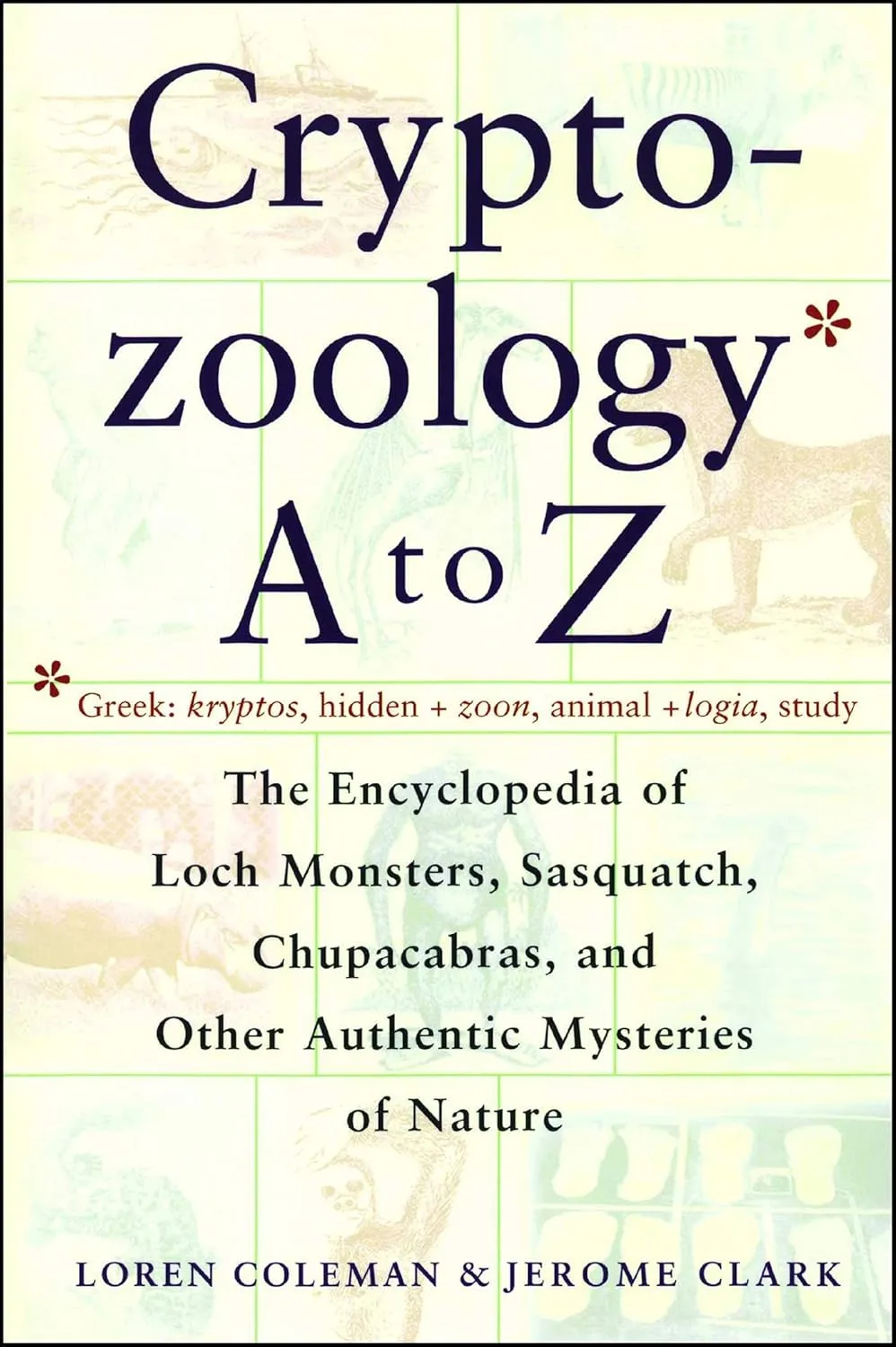
Bigfoot, Loch Ness, Chupacabras, Mothman, Yeti, and dozens more – the original A-to-Z encyclopedia with 100+ fully researched cryptids, eyewitness accounts, expedition histories, and the evidence that made skeptics sweat. Loren Coleman and Jerome Clark’s 1999 classic that launched a thousand investigations.
Legends
The Encounter of Tammas
The best-known story about the Nuckelavee is about a man named Tammas from Stronsay. One night, Tammas was walking on a narrow path between the sea and a freshwater lake. As he walked along the ‘stones of the ebb,’ he saw a huge shape coming toward him. With no way to run, he stood still as the Nuckelavee came closer.
Tammas saw that the creature had a man’s head, but ‘ten times larger,’ and its horse body moved in a scary, steady way. Its arms stretched out to grab him, with fingers like claws. Remembering old stories, Tammas knew the demon could not stand fresh water. As it lunged, he ran toward the freshwater lake.
Tammas jumped over a small stream that flowed into the sea. The Nuckelavee roared like ‘the sound of a thousand bulls’ and tried to follow, but the running water stopped it. Angry, it swung its long arms and hit Tammas on the back, but since he was on the ‘fresh side’ of the water, the demon only knocked off his hat and burned his coat with its breath.
The Blight of the Kelp Burners
In the 1700s, burning seaweed to produce kelp for glass and soap was a major industry in Orkney. One legend says the Nuckelavee was especially angered by the ‘pungent smoke’ from these fires.
The Nuckelavee saw the smoke as an insult and punished the islanders by spreading disease among their horses and cattle, called the ‘Kelp-fish sickness.’ The story says the creature was so angry that it stayed on land for weeks, hiding in the sea spray, until the fires stopped and the ‘Mither of the Sea’ returned in spring to send it back to the ocean.
You may also enjoy:
Nuckelavee vs Other Monsters
| Monster Name | Origin | Key Traits | Weaknesses |
| Nuckelavee | Orkney | Skinless hybrid, pestilence breath. | Fresh running water. |
| Kelpie | Scotland | Water horse, can appear human. | Its bridle. |
| Each-Uisge | Highland Scotland | Flesh-eating water horse. | Fresh water (it prefers salt). |
| Capaill Uisce | Ireland | Carnivorous sea horse. | Distance from the sea. |
| Nix | Germany/Nordic | Shapeshifting water spirit. | Steel or silver. |
| Tikbalang | Philippines | Humanoid horse hybrid. | Pulling its golden hair. |
| Bunyip | Australia | Amphibious swamp creature. | Fire. |
| Longma | China | Winged dragon-horse. | None (Benevolent). |
| Pooka | Ireland | Shapeshifting prankster horse. | Iron. |
| Glashtyn | Isle of Man | Equine water-spirit. | Salt. |
The Nuckelavee looks like other horse-shaped spirits, such as the Kelpie and Each-Uisge, but it does not use tricks. Most water horses lure people to drown them, but the Nuckelavee destroys by spreading disease and ruining the land. It is also different because it has no skin, unlike other spirits, which are said to have shiny, beautiful coats.
Powers and Abilities
The Nuckelavee is a powerful demon with abilities beyond just strength. Its main weapon is its toxicity, which can harm entire ecosystems. It does not have to touch someone to kill them—just being nearby can poison the air and water.
- Pestilence Breath: The ability to exhale a vapor that causes “Mortasheen” in cattle and rots crops in the field.
- Superhuman Reach: Its arms are disproportionately long, allowing it to snatch victims from a great distance.
- Marine Immortality: As long as it remains in salt water or the “Mither of the Sea” is weak, it cannot be killed by mortal means.
- Environmental Blight: The power to cause “the stoor,” a drying of the land that leads to famine.
- Terrifying Roar: A vocalization capable of paralyzing victims with fear or mimicking the sound of a storm.
Ever Wondered About the Secret Lives of Greek Gods and Heroines?
Limited-Time: Up to 32% OFF!
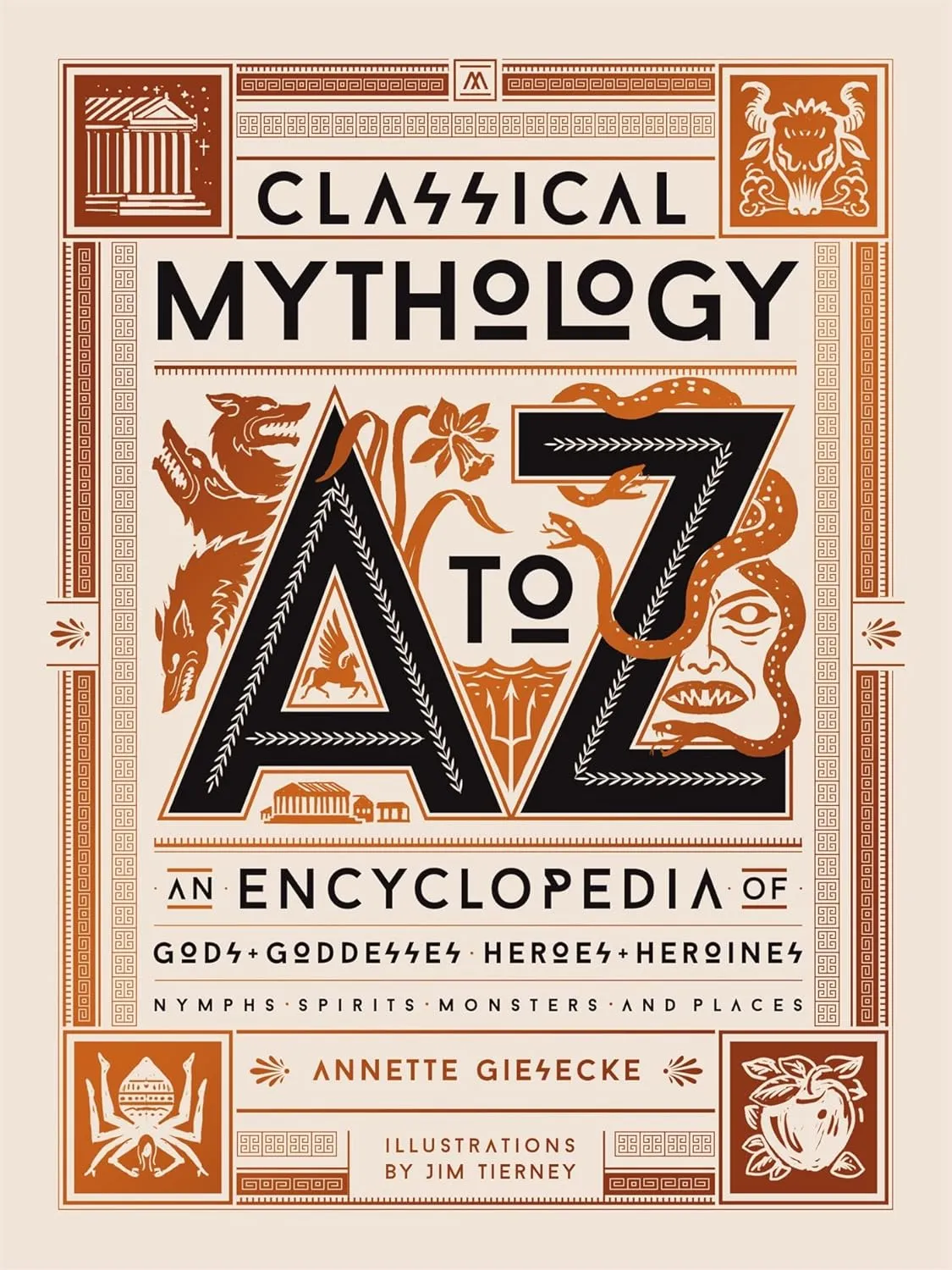
The Classical Mythology Encyclopedia: Gods, Heroes, and Heroines – 1,000+ entries • Epic tales of Olympus • Goddesses, monsters, and divine intrigues • Ancient rituals & timeless legends. This is Nancy LoCicero’s ultimate guide to the myths that inspired Western civilization.
Can You Defeat a Nuckelavee?
Orcadian folklore does not tell of anyone ever killing a Nuckelavee. It is seen as a force of nature rather than just an animal. Still, people believe it can be avoided or driven away.
The main way to protect yourself from the Nuckelavee is to stay in fresh running water. Like other sea demons, it cannot cross a ‘living stream’ of fresh water. If you are chased, you should cross a brook or river, and the Nuckelavee will have to stop at the edge.
The Nuckelavee also hates the smell of burning seaweed, but this both drives it away and makes it angrier, so it is a risky way to protect yourself. The only real way to defeat the creature is when the Mither of the Sea returns each summer and forces it back into the deep ocean.
Conclusion
The Nuckelavee is still one of the most frightening figures in British folklore. Unlike the usual playful sea spirits, it shows the raw horror of a world where the sea can give life or bring sudden, deadly danger. Its skinless, pulsing body and single burning eye make it a top example of mythological terror.
Today, the Nuckelavee still captures people’s imagination as a symbol of environmental fear. Its story reminds us of how fragile life on the islands once was, when a single storm or animal disease could destroy an entire community.